
Observing the sky and telescopes
How to find your way around the night sky, how telescopes work and what to look at first, and how astronomers measure distances to objects they can never visit. These articles go with the units on the sky and its motions and on telescopes and observing.
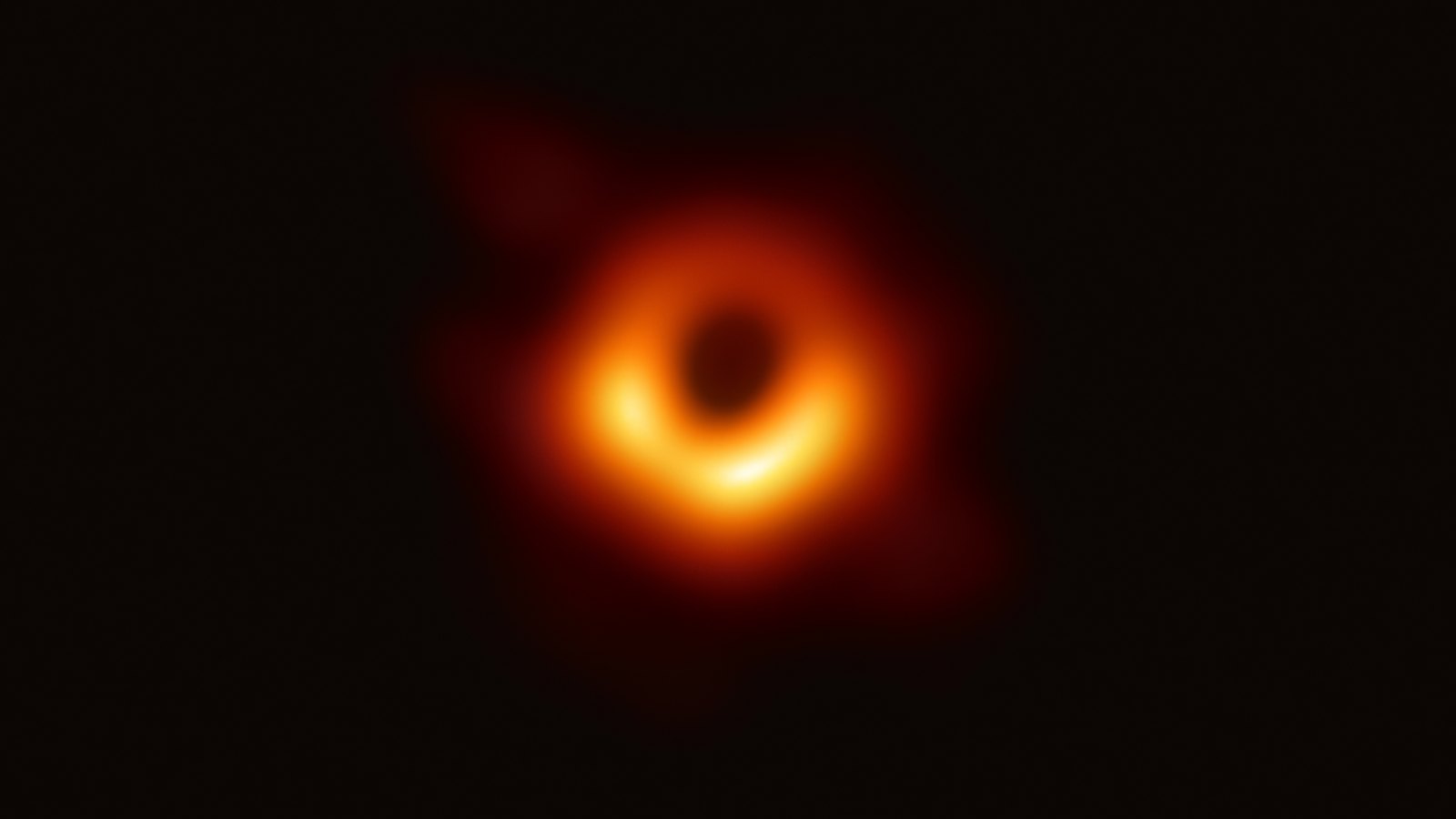
What a black hole is and what it is not
Black holes do not suck in everything around them, and the biggest ones are less dense than air. Five common myths checked against the physics.
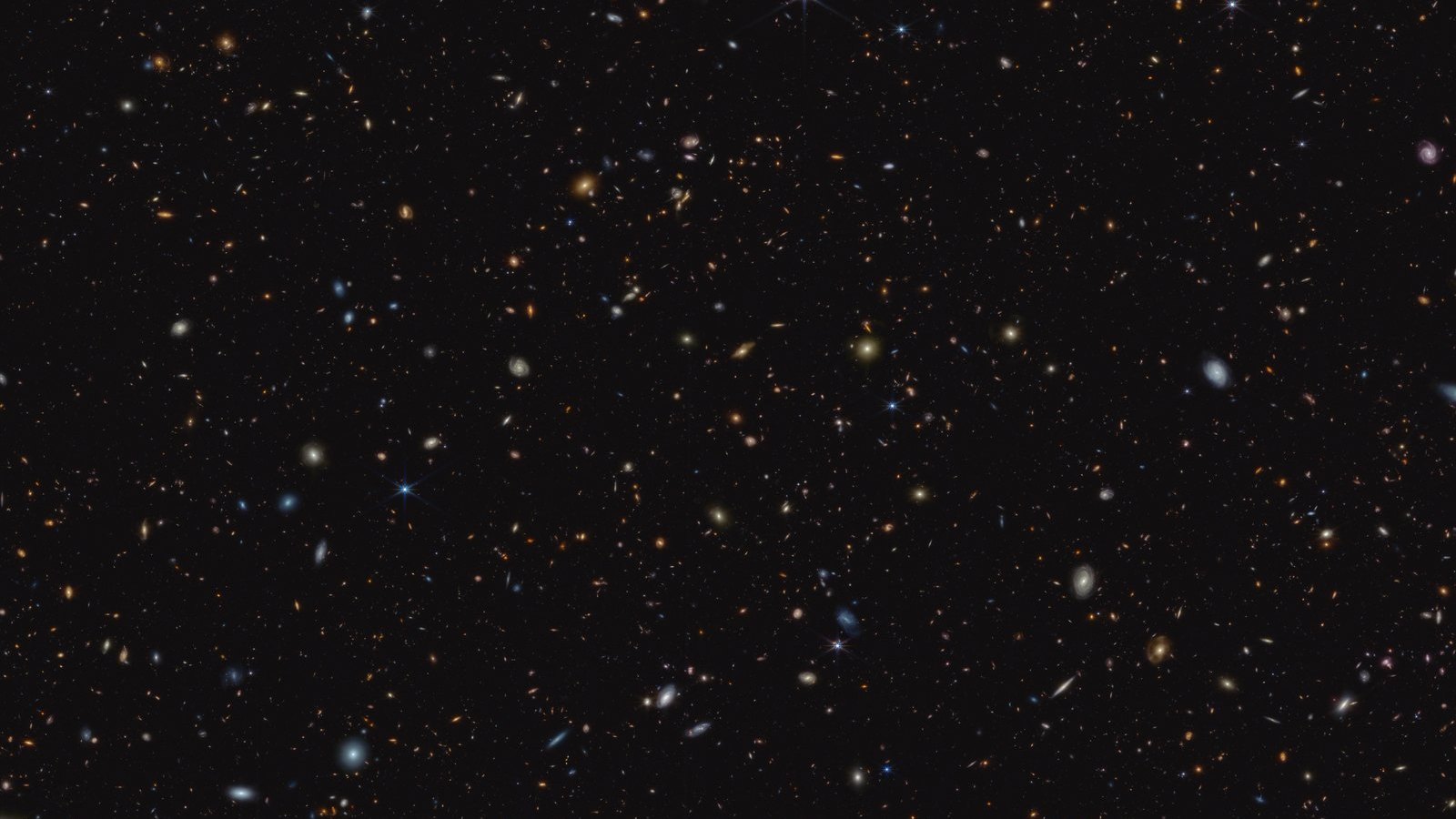
Why is the night sky dark? Olbers' paradox explained
In an infinite, eternal universe the whole sky would glow like the surface of the Sun. The reason it is dark tells us the universe has a finite age.
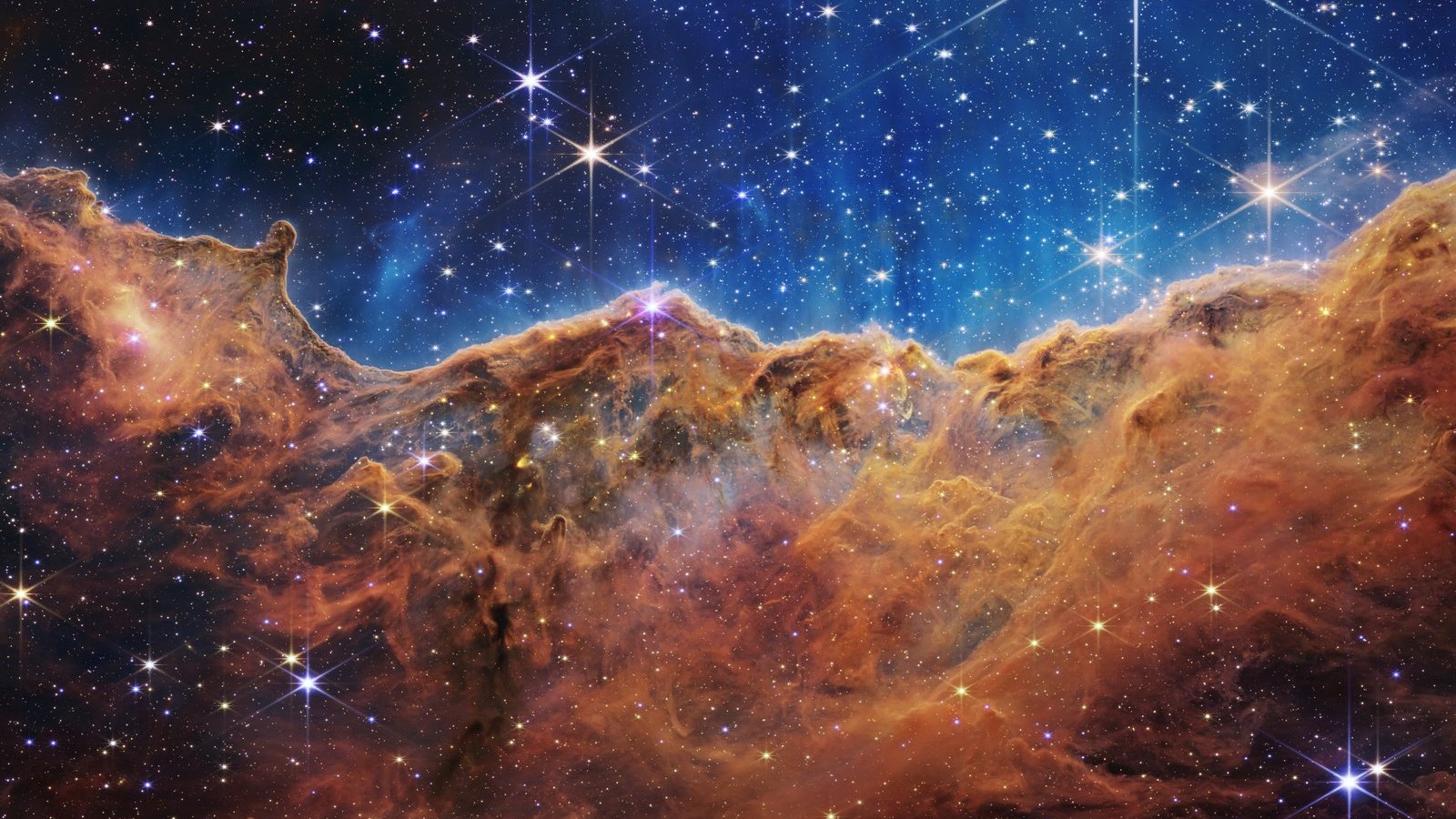
What the James Webb Space Telescope has found so far
Four years of Webb results in one place: record galaxies, little red dots, exoplanet atmospheres, a neutron star in Supernova 1987A and what is still open.
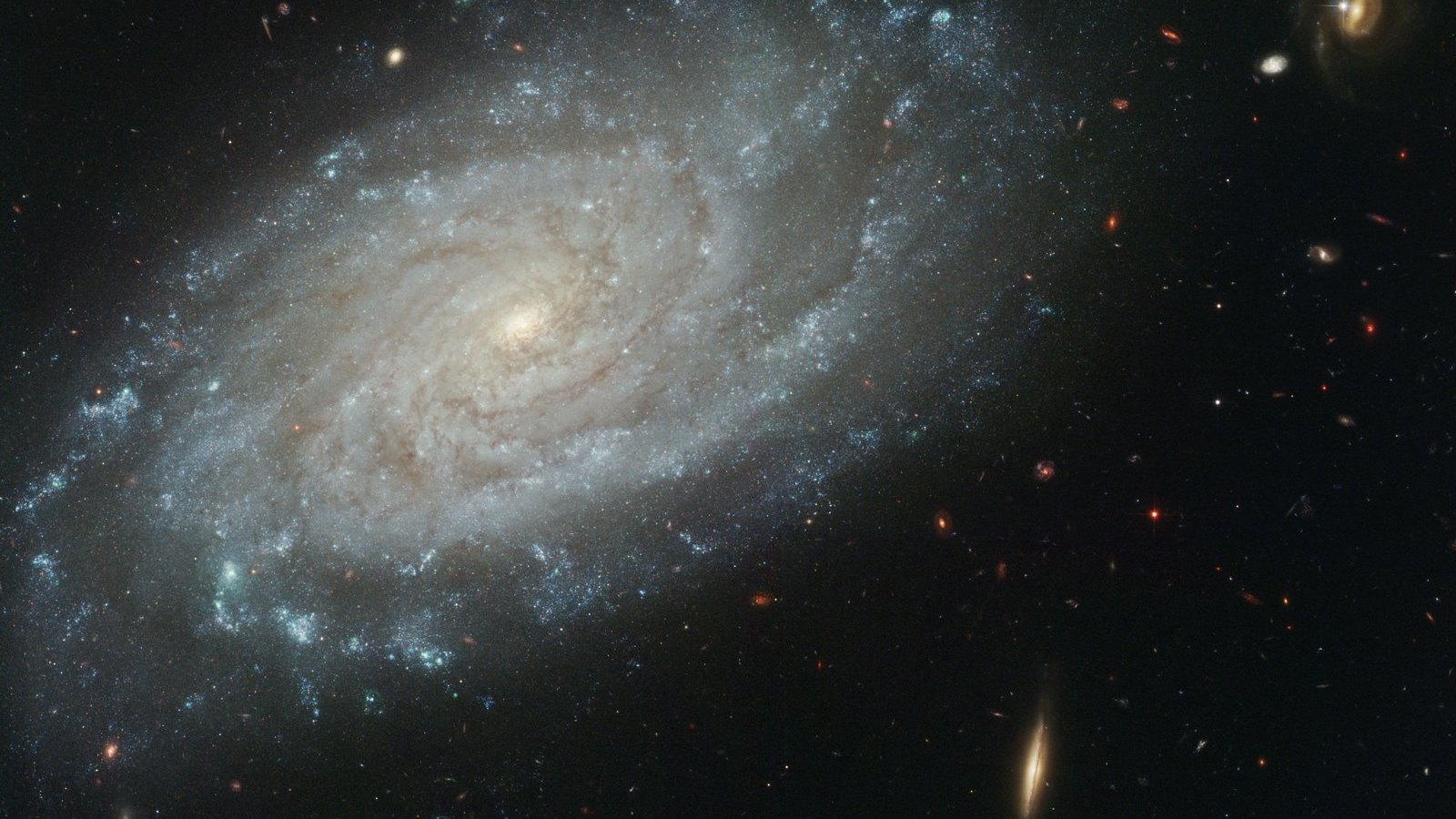
How astronomers measure the distance to the stars
Parallax, Cepheid stars and exploding white dwarfs form a chain of methods that reaches galaxies billions of light years away. Here is how each step works.

A short history of measuring the speed of light
Astronomers first pinned down light’s speed with Jupiter’s moons, then with starlight and a spinning wheel. Today the value is fixed by definition.
What a light year is and why astronomers prefer the parsec
A light year is a distance, not a time. Astronomers often use the parsec because it ties directly to parallax and angles on the sky.
How to choose your first telescope
A first telescope should be simple to use, stable on its mount, and sized for the sky you will actually observe. Bigger is not always better.
In the masterclass
The Sky and Celestial Mechanics
How the sky turns, and the laws that govern every orbit
Telescopes and Observational Techniques
How light from the sky becomes a measurement
The Astronomer's Toolkit
Numbers, units, angles and the physics that every later unit builds on