
The work of today's astrophysicists, in every unit
Established physics is the foundation. The research spotlights show what is being built on it now: each unit presents the published work of a leading scientist and links to the original paper.
The scientists named here are not contributors to the A&A Masterclass, are not affiliated with it and have not endorsed it. The program presents and explains their published research, with references to the original papers.

Konstantin Batygin
Planetary dynamics, the outer solar system
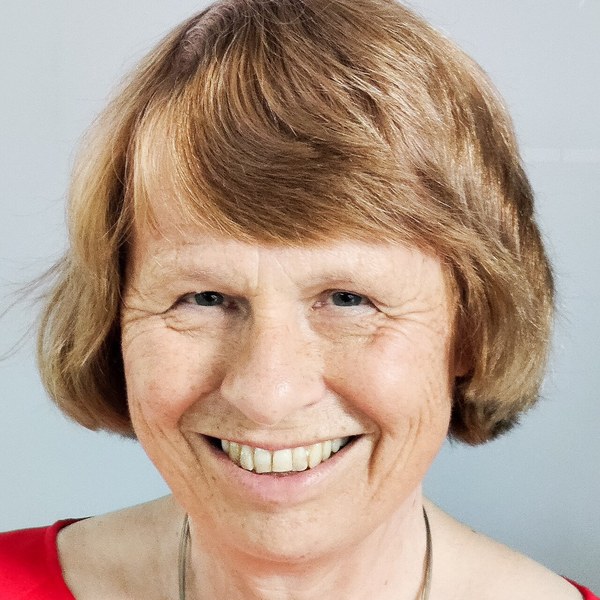
Ewine F. van Dishoeck
Astrochemistry, molecular spectroscopy of star and planet forming regions
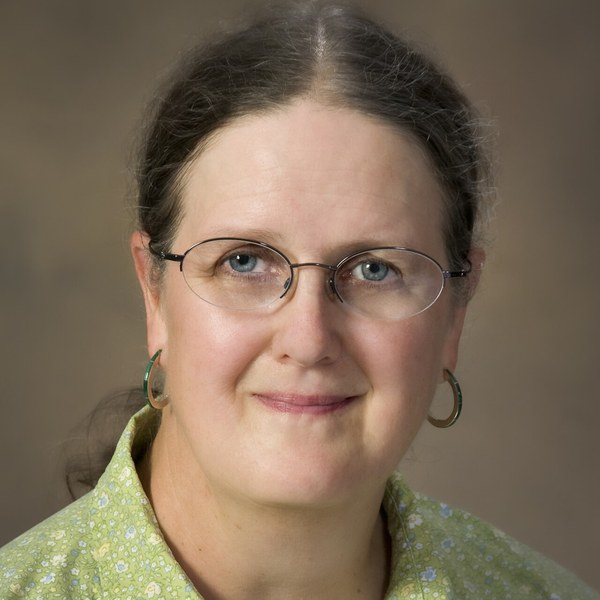
Marcia J. Rieke
Infrared astronomy and instrumentation
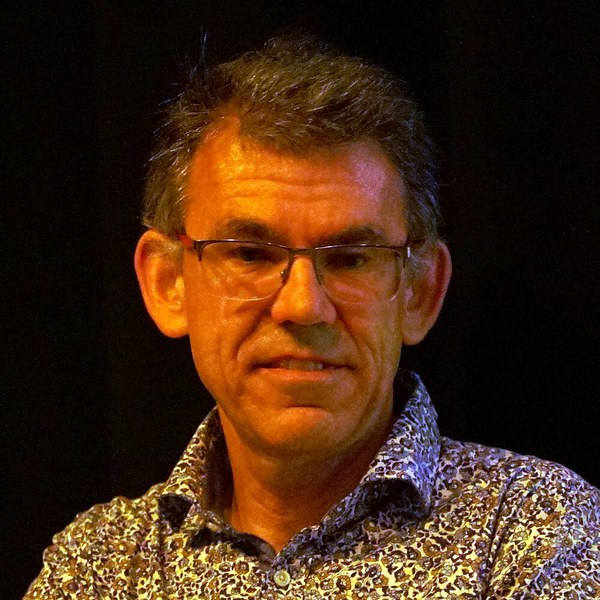
Alessandro Morbidelli
Planet formation and the dynamical history of the solar system

Conny Aerts
Asteroseismology and stellar interiors
Alyssa A. Goodman
Molecular clouds, star formation and data visualization
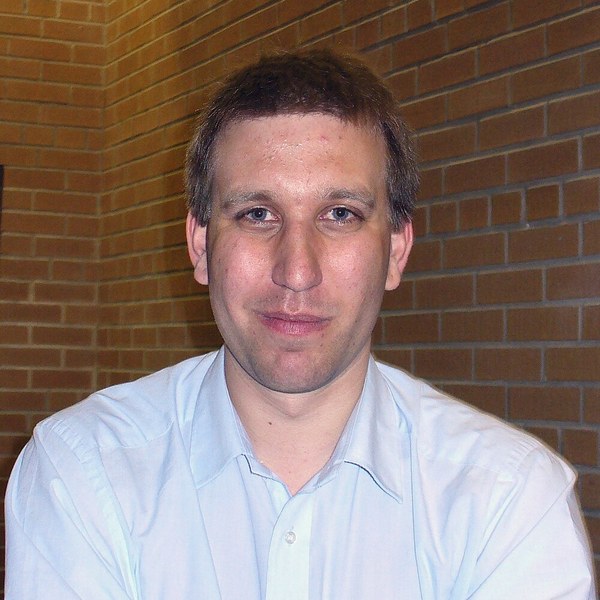
Chris Lintott
Galaxy evolution and citizen science
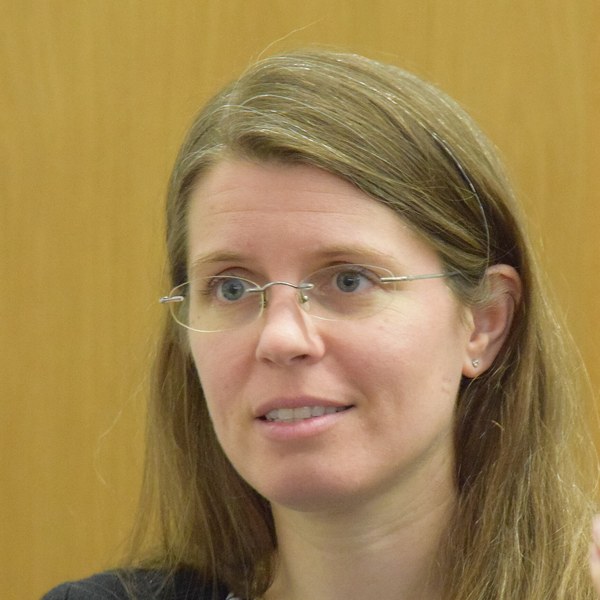
Anna Frebel
Stellar archaeology, the oldest and most metal-poor stars
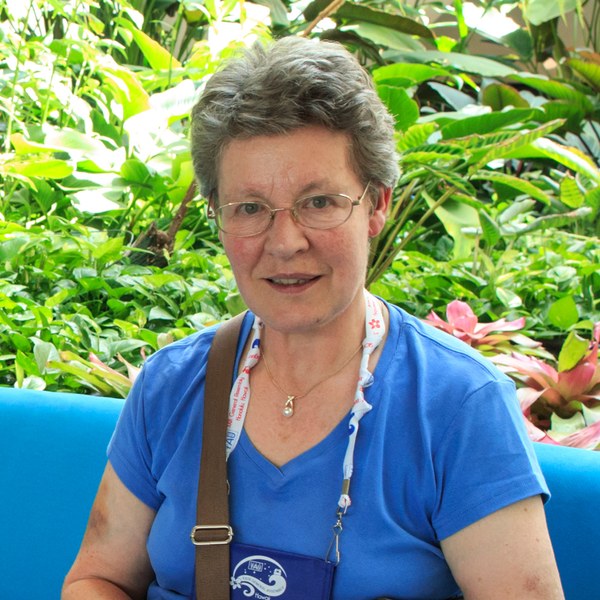
Jocelyn Bell Burnell
Radio astronomy, pulsars and neutron stars
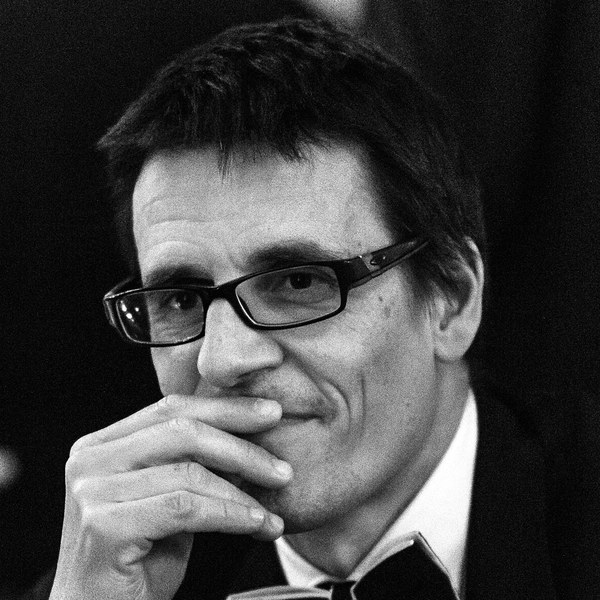
Didier Queloz
Detection of exoplanets by precise radial velocities and transits
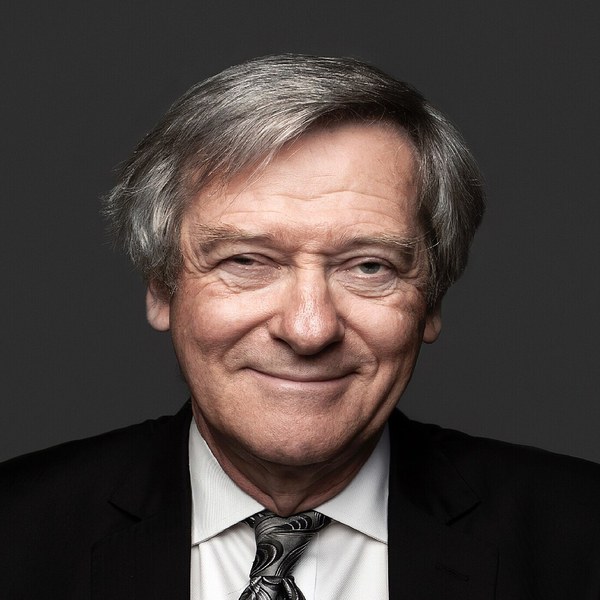
Roger Blandford
Theoretical astrophysics, black holes and relativistic jets
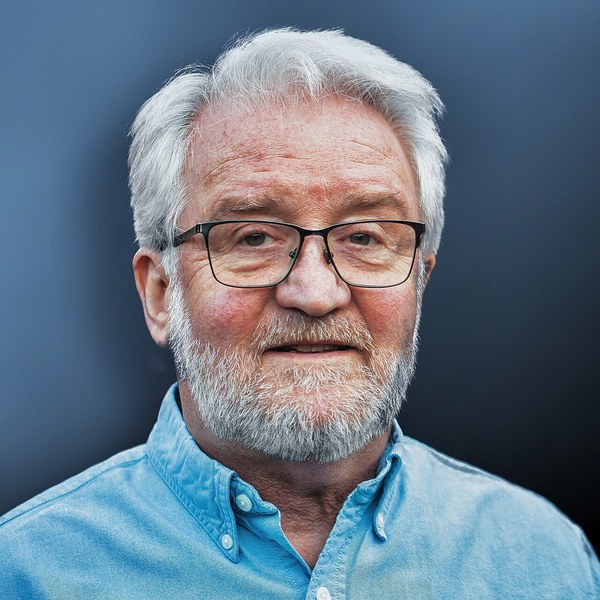
Andrew C. Fabian
X-ray astronomy, galaxy clusters and active galactic nuclei
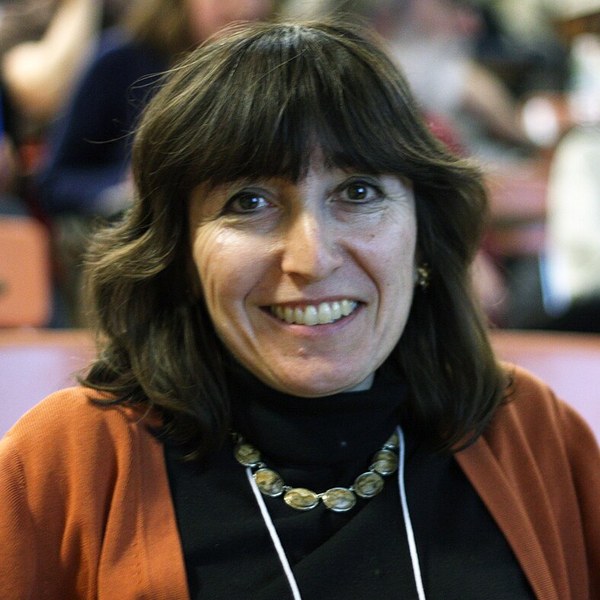
Wendy L. Freedman
Observational cosmology, the extragalactic distance scale
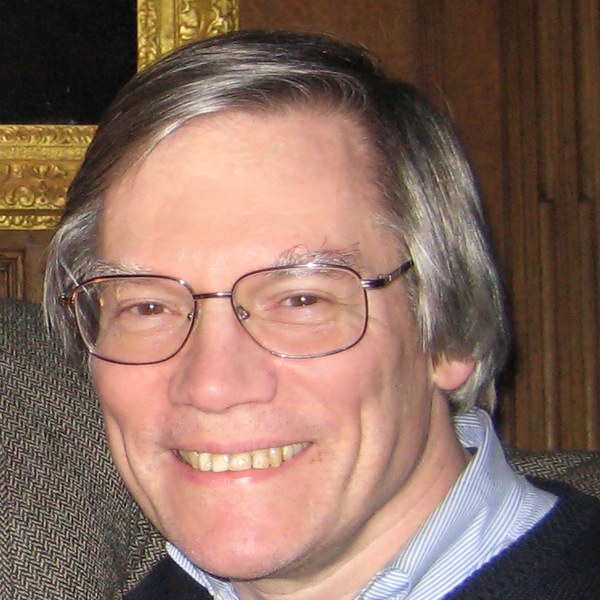
Alan H. Guth
Theoretical cosmology, inflation
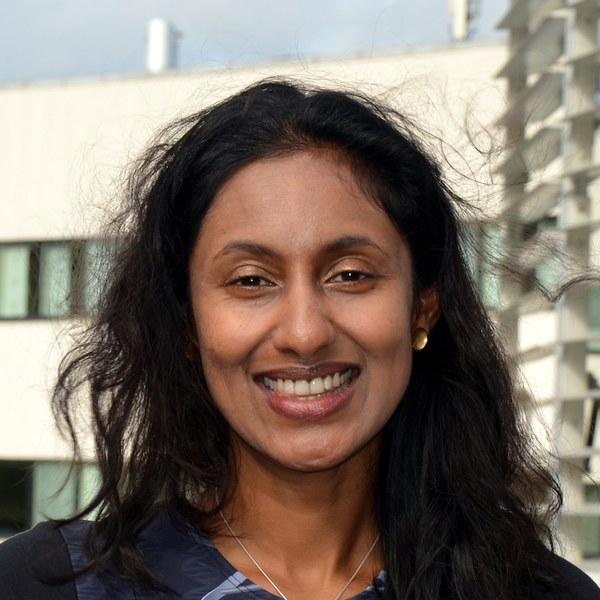
Hiranya V. Peiris
Cosmology, testing the physics of the early universe with data
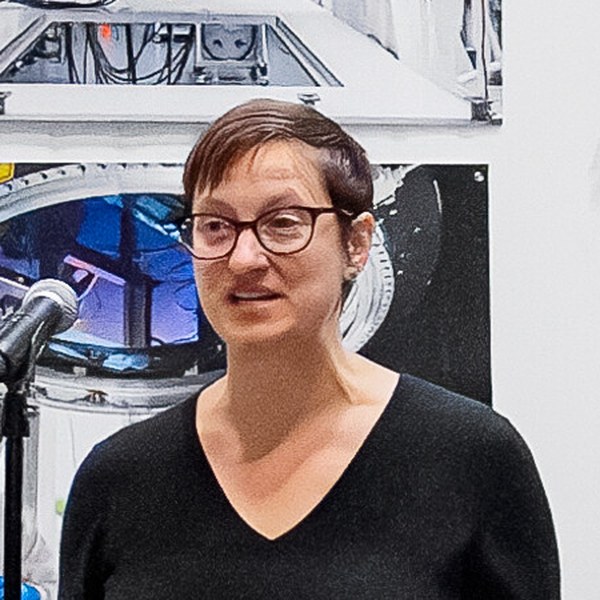
Risa H. Wechsler
Cosmology, galaxy formation and dark matter halos
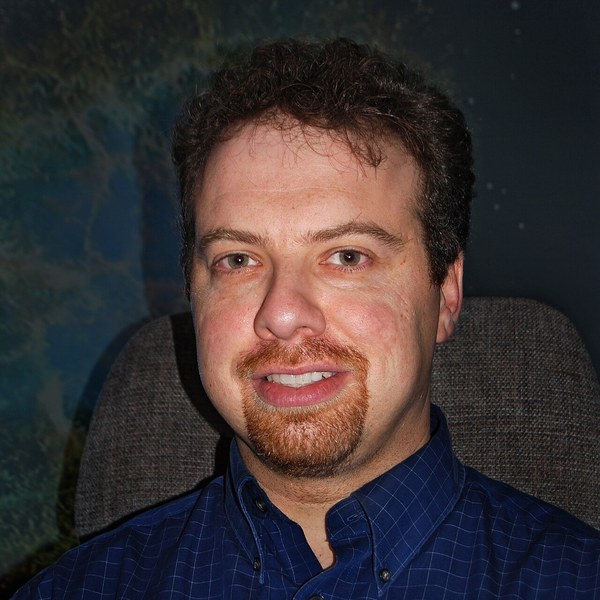
Adam G. Riess
Observational cosmology, supernovae and the expansion rate
Nergis Mavalvala
Gravitational wave detectors, quantum measurement
Roberto Maiolino
Galaxies and black holes in the early universe
Science is something people do
A formula can look as if it had always been there. The spotlights show that the questions are open, that the methods of each unit are in use today, and who is using them. For every unit you also receive a reading list with further papers that are free to read.