
Stars and stellar physics
What stars are made of, how they shine, how they live and how they die: from the spectra that reveal their composition to supernovae, white dwarfs, neutron stars and black holes.
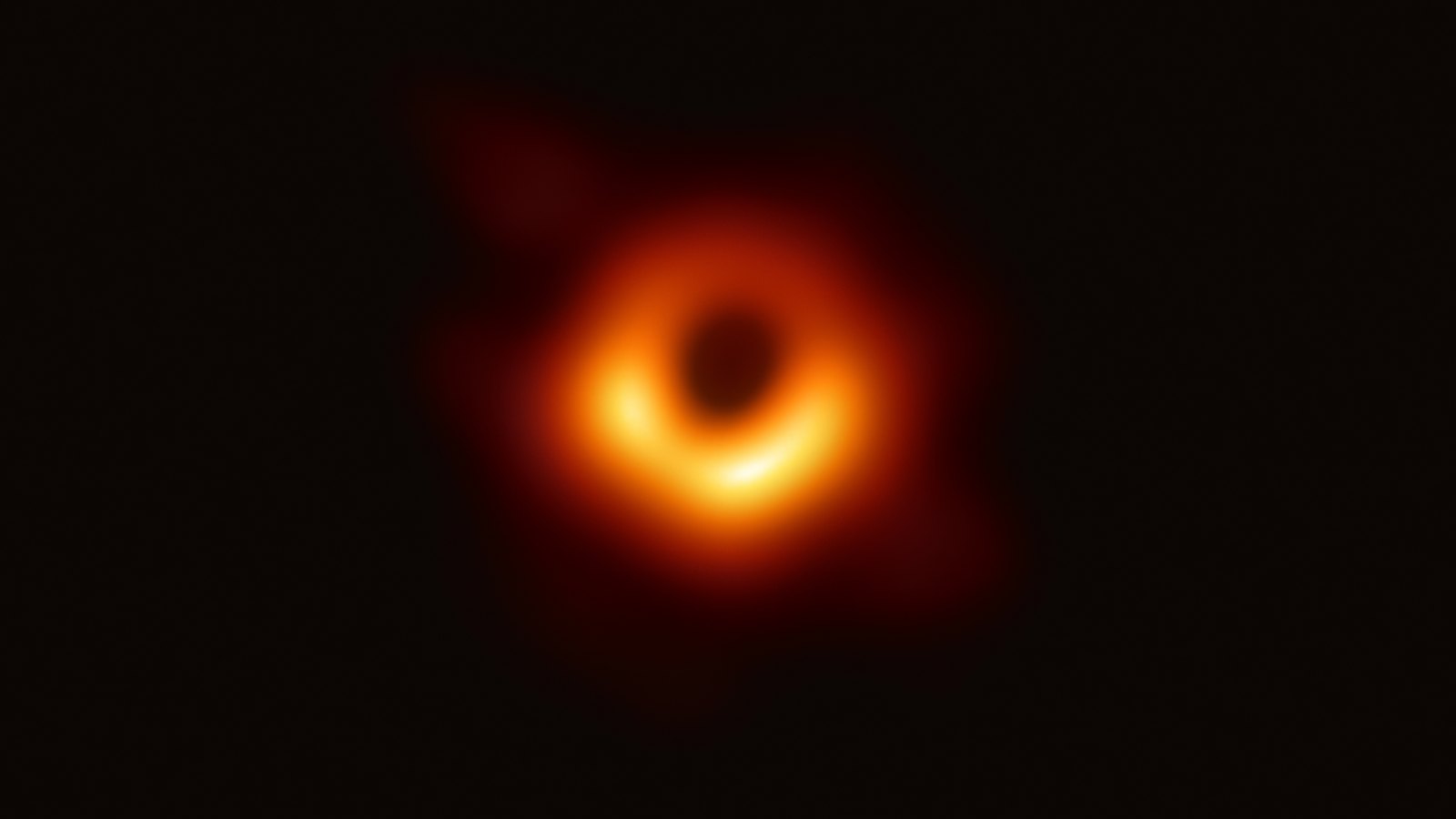
What a black hole is and what it is not
Black holes do not suck in everything around them, and the biggest ones are less dense than air. Five common myths checked against the physics.
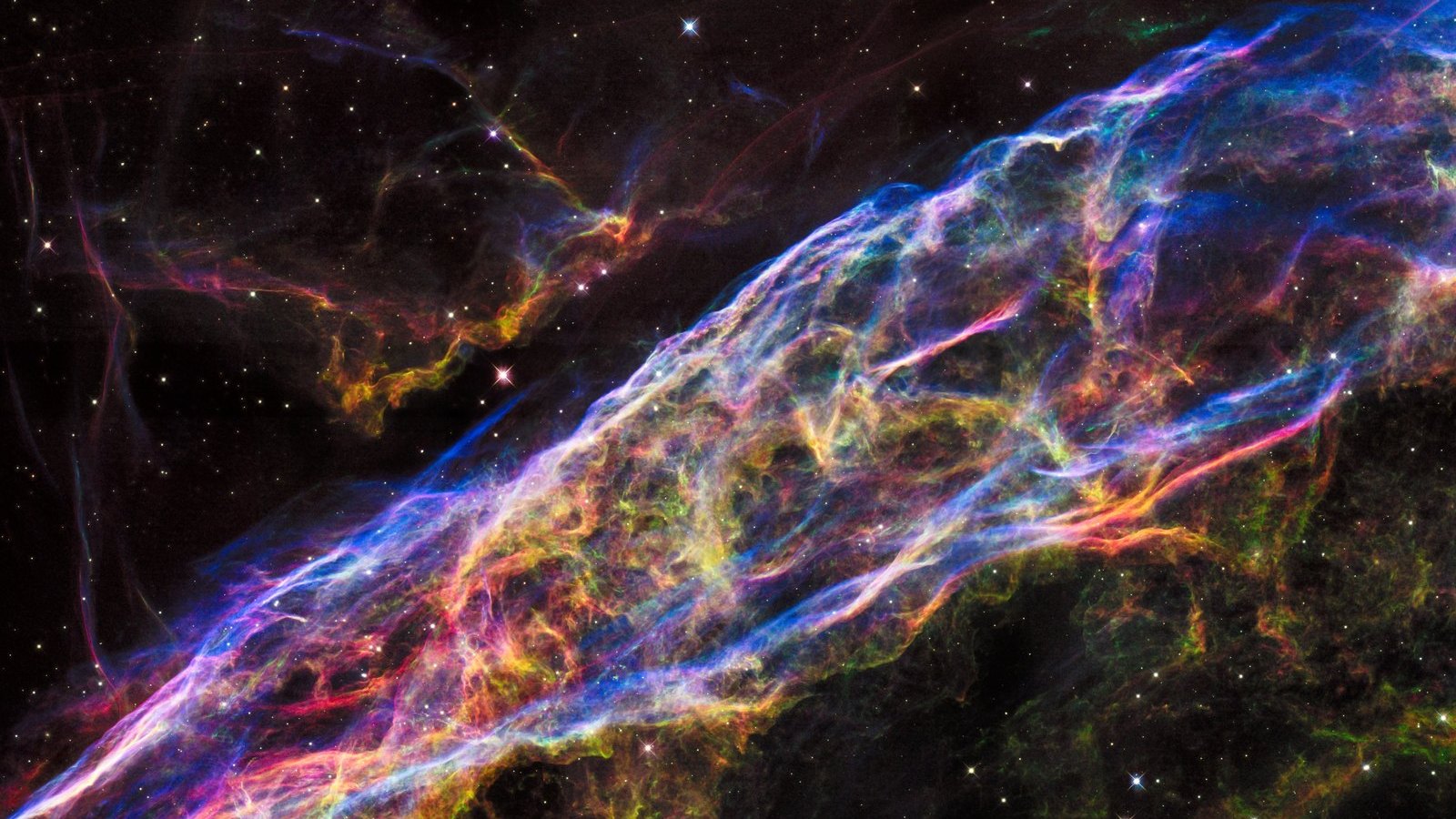
The life cycle of a star and what it leaves behind
How stars form in cold clouds, why massive ones die young, and how a star ends as a white dwarf, a neutron star or a black hole.
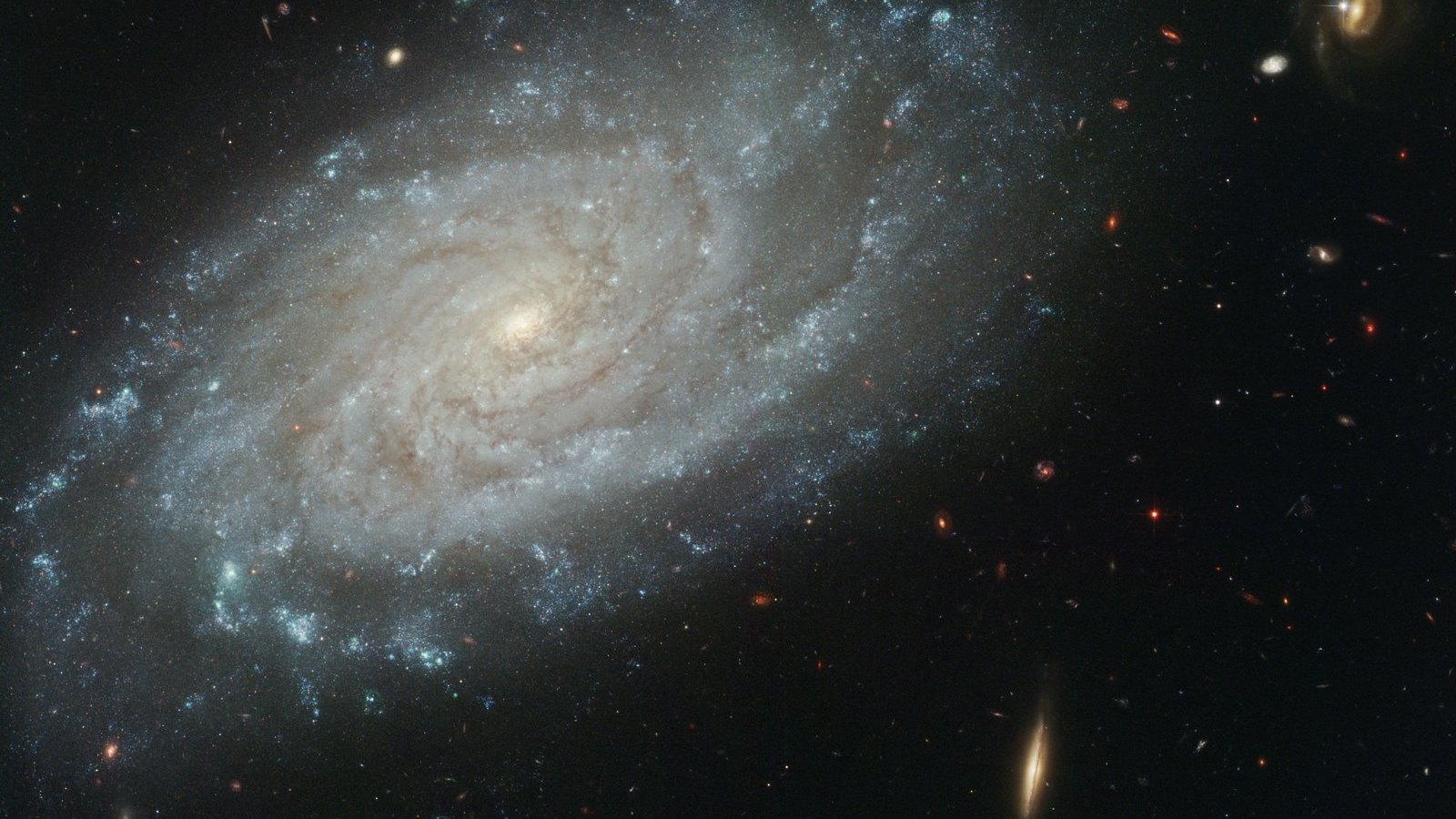
How astronomers measure the distance to the stars
Parallax, Cepheid stars and exploding white dwarfs form a chain of methods that reaches galaxies billions of light years away. Here is how each step works.
What happens when two neutron stars collide
Two neutron stars can merge in a flash of gravitational waves, gamma rays, and heavy elements. The 2017 event GW170817 showed us how gold can form in space.
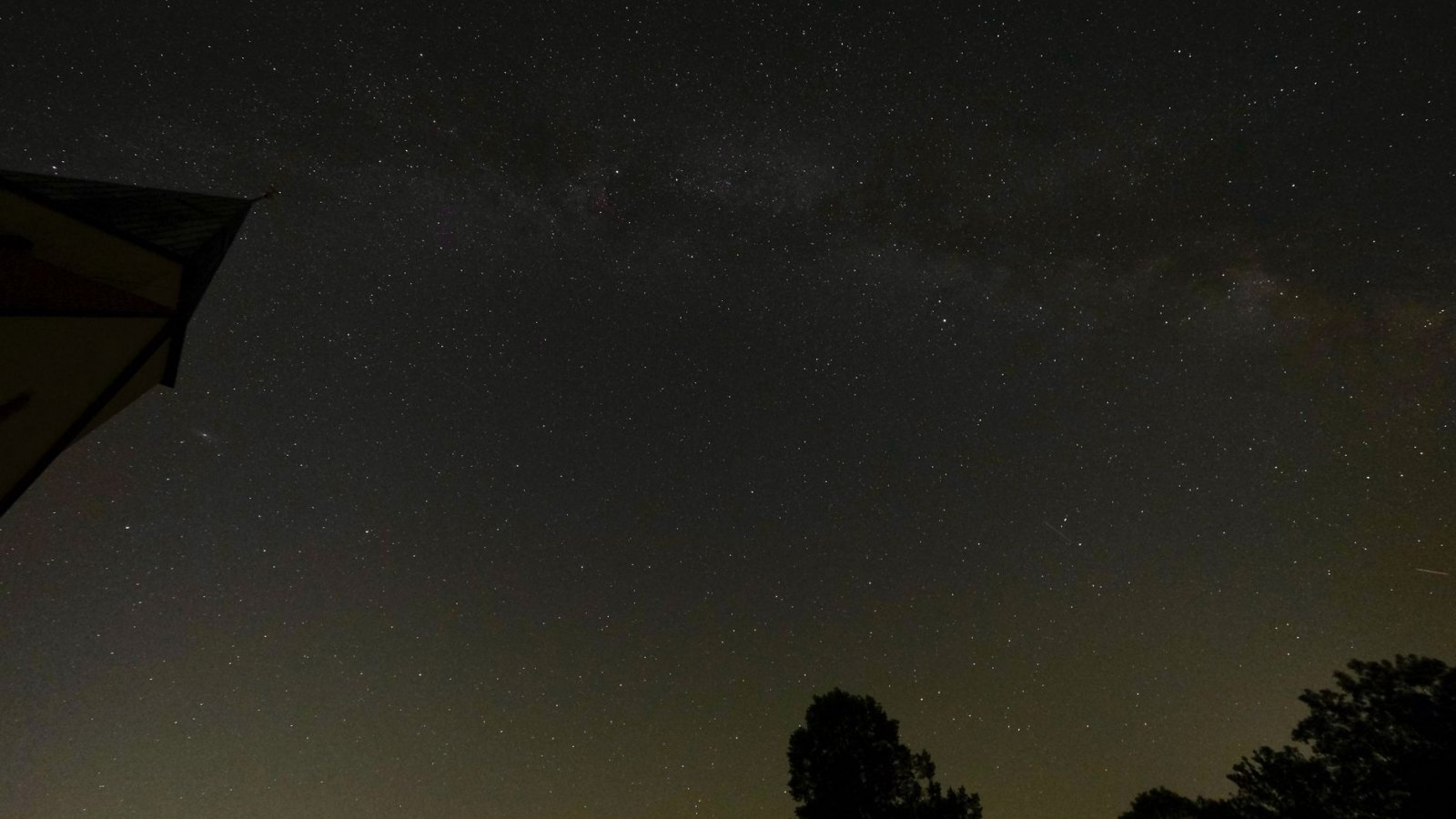
How astronomers find planets around other stars
Two main methods, transits and radial velocity, have found most known exoplanets. New missions will measure smaller planets and their atmospheres.
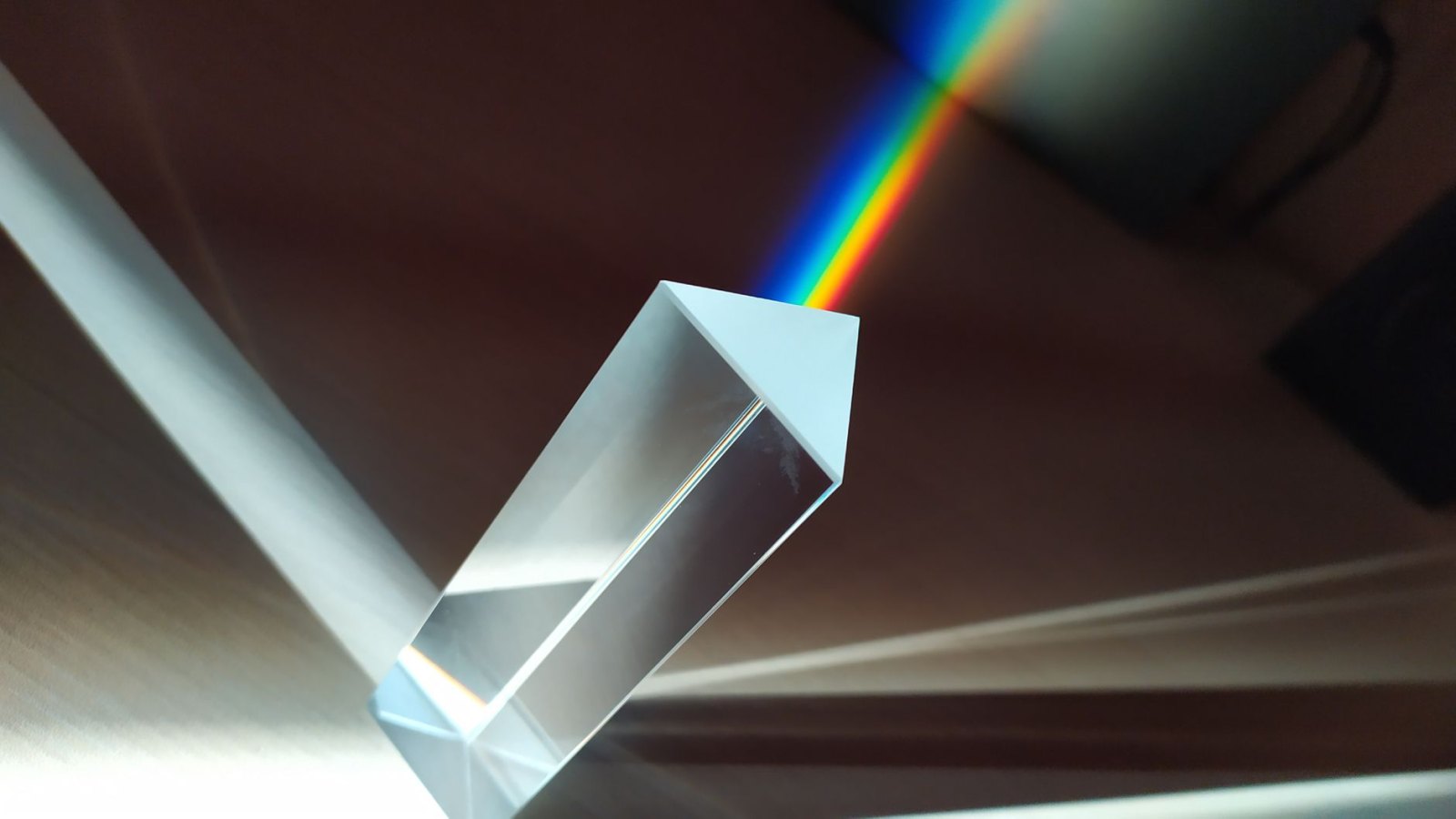
How we know what stars are made of
Starlight carries a chemical fingerprint. Spectra, dark absorption lines, and Cecilia Payne’s work let astronomers read the elements in stars.
In the masterclass
The Sun and the Properties of Stars
How the nearest star works and how all the others are measured
The Lives and Deaths of Stars
How a gas cloud becomes a star, and what the star leaves behind
Stellar Structure and Nuclear Fusion
What holds a star up and what keeps it hot
White Dwarfs, Neutron Stars and Black Holes
How dead stars resist gravity, and what happens when they cannot