
Galaxies and cosmology
The Milky Way and other galaxies, dark matter and dark energy, the expansion of the universe and the light left over from the Big Bang: the largest scales astronomy studies.
Dark matter and how astronomers know it is there
Galaxies spin too fast for the visible matter they contain. Light bends more than it should too, and the Bullet Cluster gives a striking example.
The Hubble tension explained for students
Two precise ways of measuring the expansion rate of the universe give 73 and 67 km/s per megaparsec. What each method does and where things stand in 2026.
Why is the night sky dark? Olbers' paradox explained
In an infinite, eternal universe the whole sky would glow like the surface of the Sun. The reason it is dark tells us the universe has a finite age.
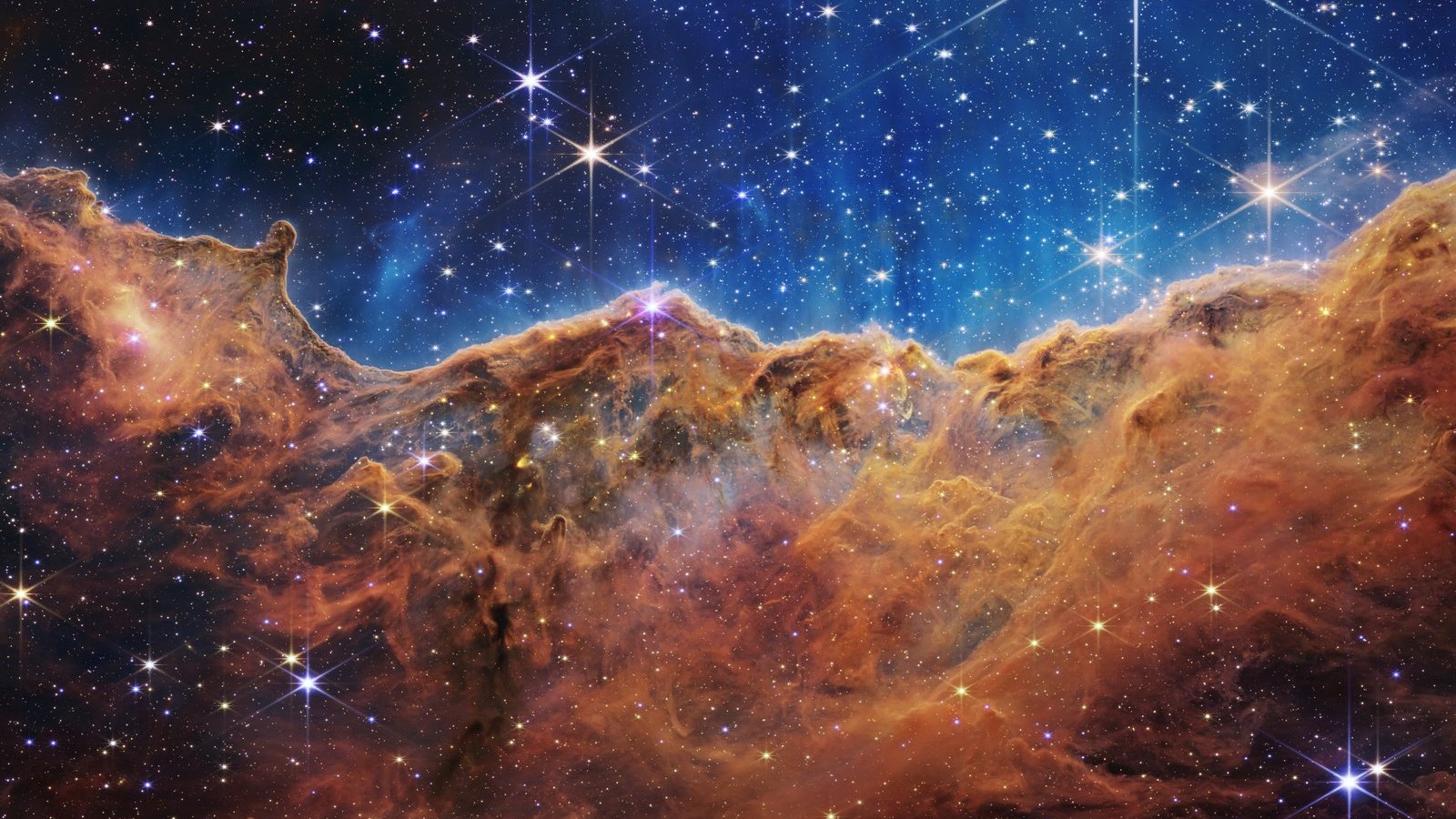
What the James Webb Space Telescope has found so far
Four years of Webb results in one place: record galaxies, little red dots, exoplanet atmospheres, a neutron star in Supernova 1987A and what is still open.
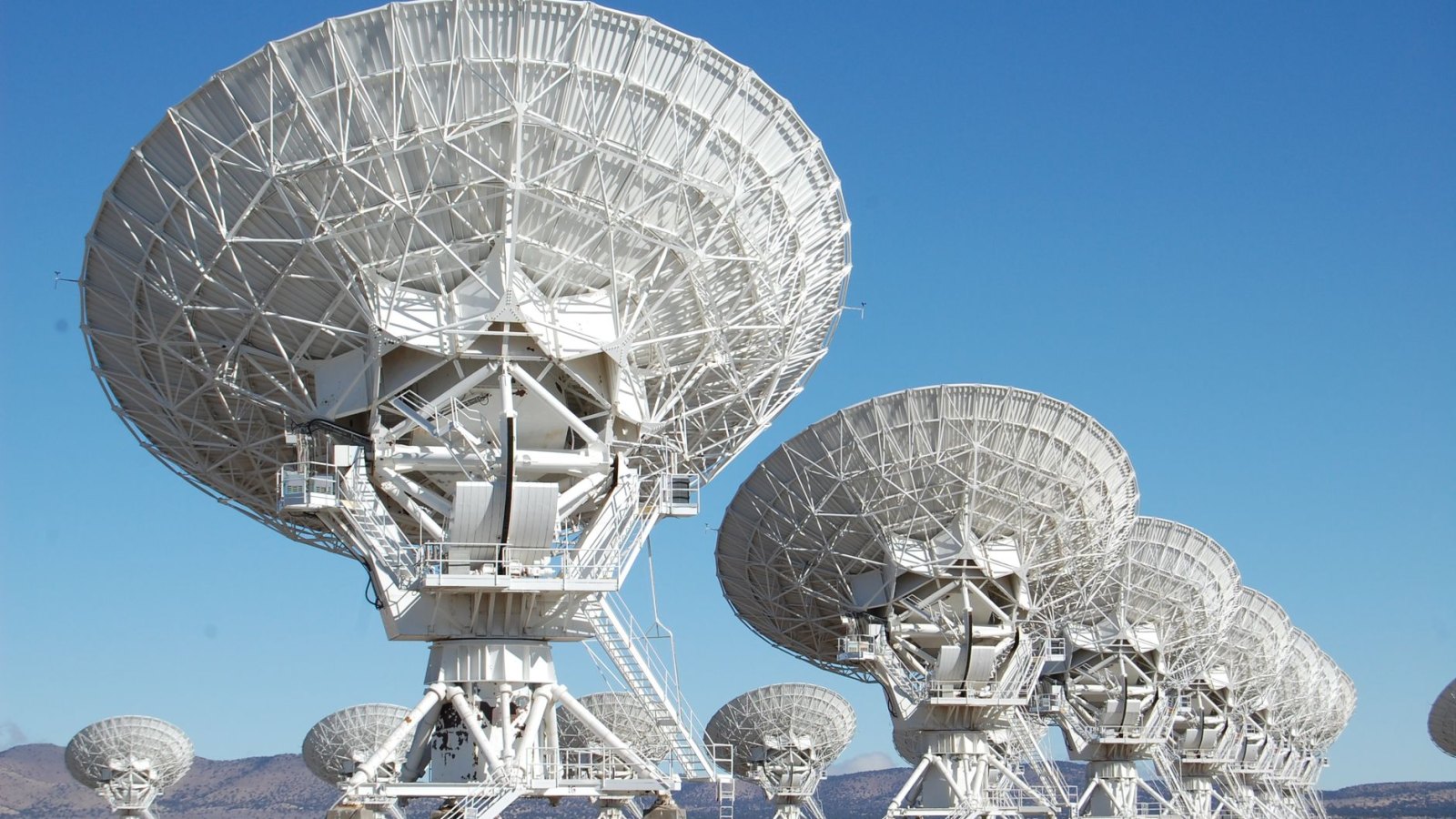
The cosmic microwave background in plain words
The cosmic microwave background is the afterglow of the early universe. A 1965 discovery and today’s sky maps show how it formed and how structure began.
In the masterclass
The Milky Way, Galaxies and the Expanding Universe
Our Galaxy, its neighbors and the evidence that the universe had a beginning
Active Galaxies and Supermassive Black Holes
How galaxies are weighed and what the black holes at their centers do
The Expanding Universe and Relativistic Cosmology
One equation for the age, the size and the history of the universe
The Hot Big Bang and the Cosmic Microwave Background
The thermal history of the universe and its oldest light
Dark Matter, Dark Energy and Cosmic Structure
What 95 percent of the universe is made of, and how we know