
A&A Blog
Explanations, background, and advice for curious students.
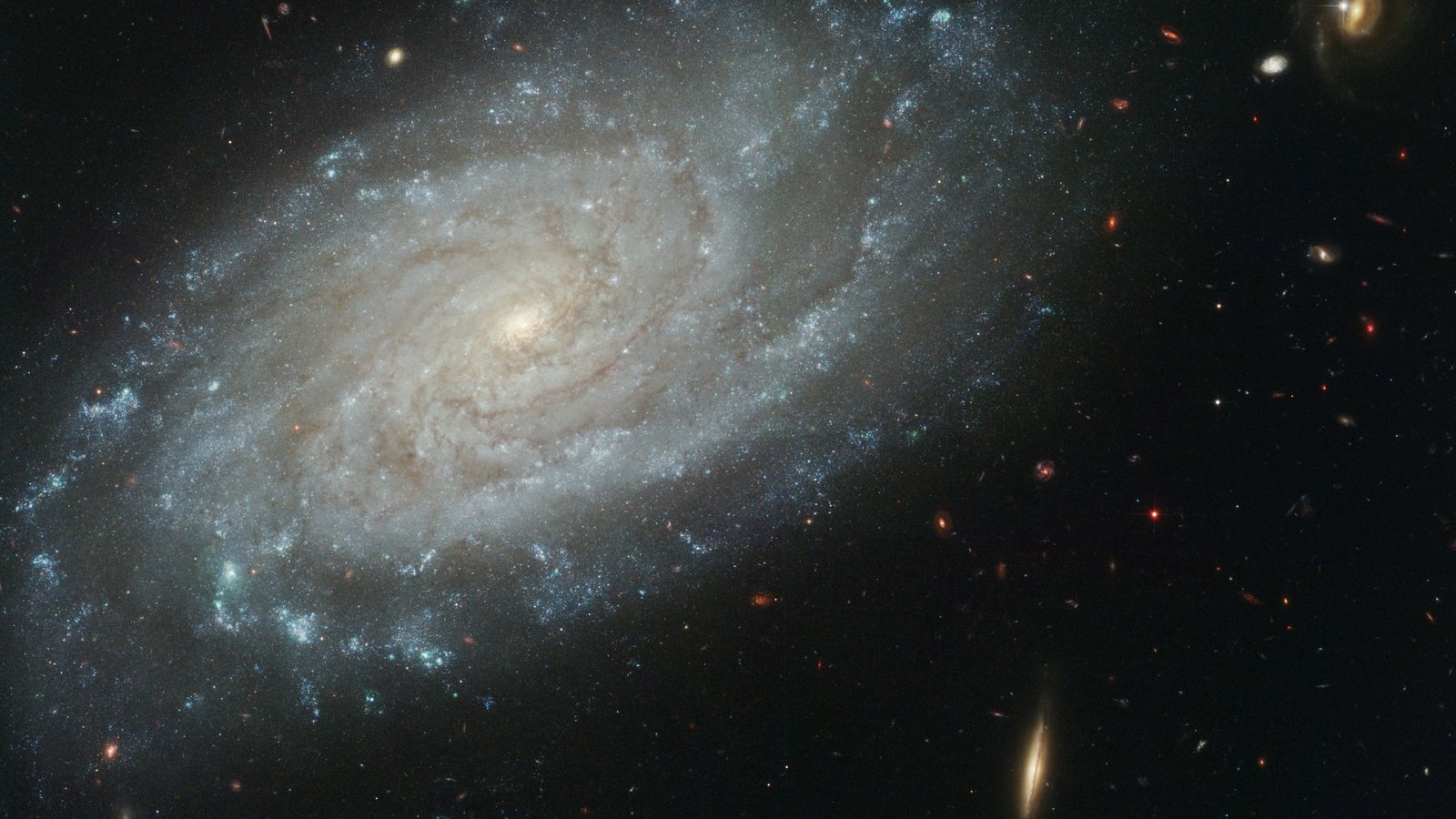
How astronomers measure the distance to the stars
Parallax, Cepheid stars, and exploding white dwarfs form a chain of methods that reaches galaxies billions of light years away. Here is how each step works.

What it takes to study astrophysics at university
Astrophysics degrees build from maths, physics, and coding. Here is what students usually study in year one, and where research can begin.
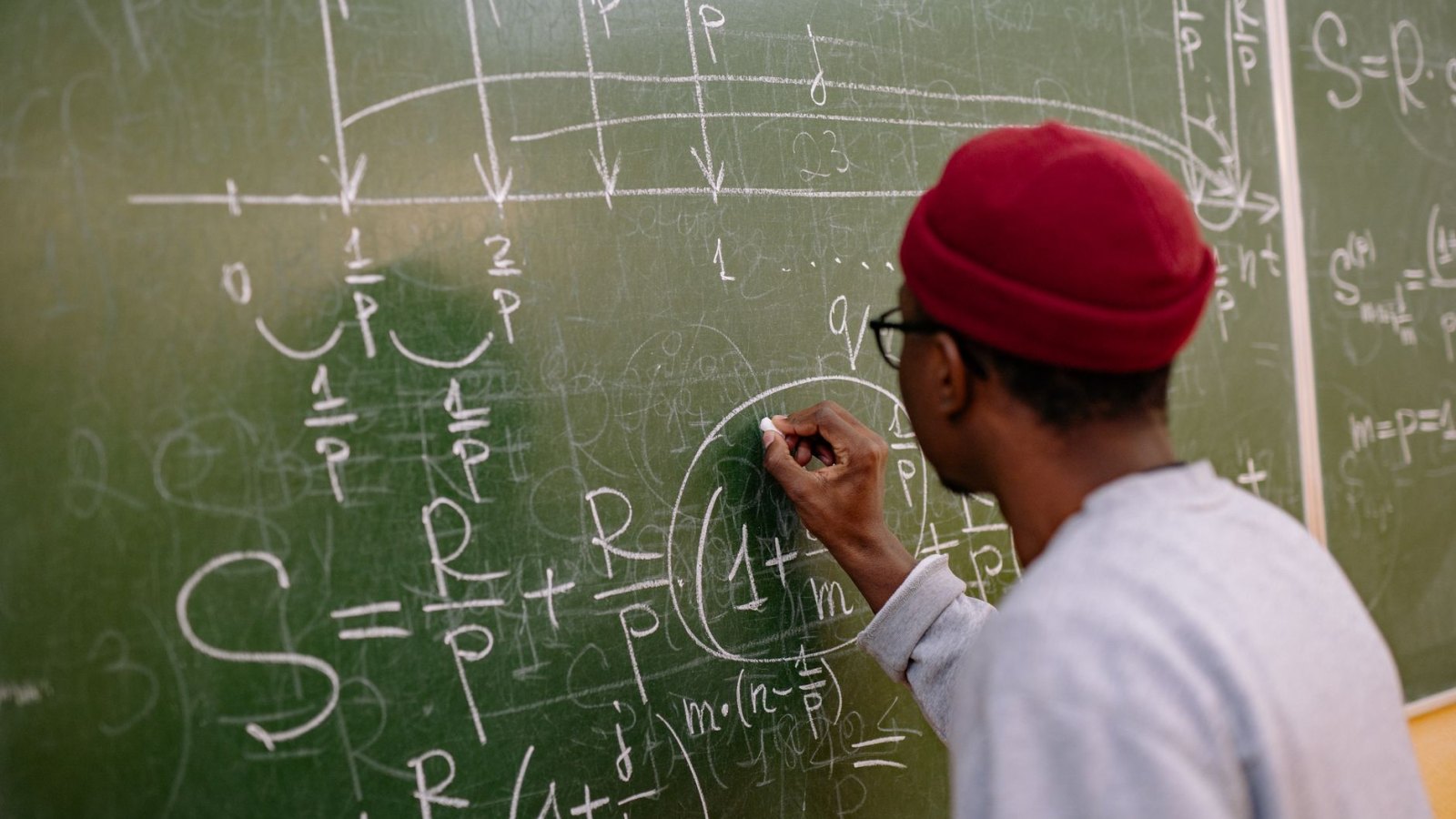
How to prepare for an astronomy olympiad
A six month plan, the main topic areas, the kinds of problems you will meet, and free resources that can help you train well.
A short history of measuring the speed of light
Astronomers first pinned down light’s speed with Jupiter’s moons, then with starlight and a spinning wheel. Today the value is fixed by definition.
What happens when two neutron stars collide
Two neutron stars can merge in a flash of gravitational waves, gamma rays, and heavy elements. The 2017 event GW170817 showed us how gold can form in space.
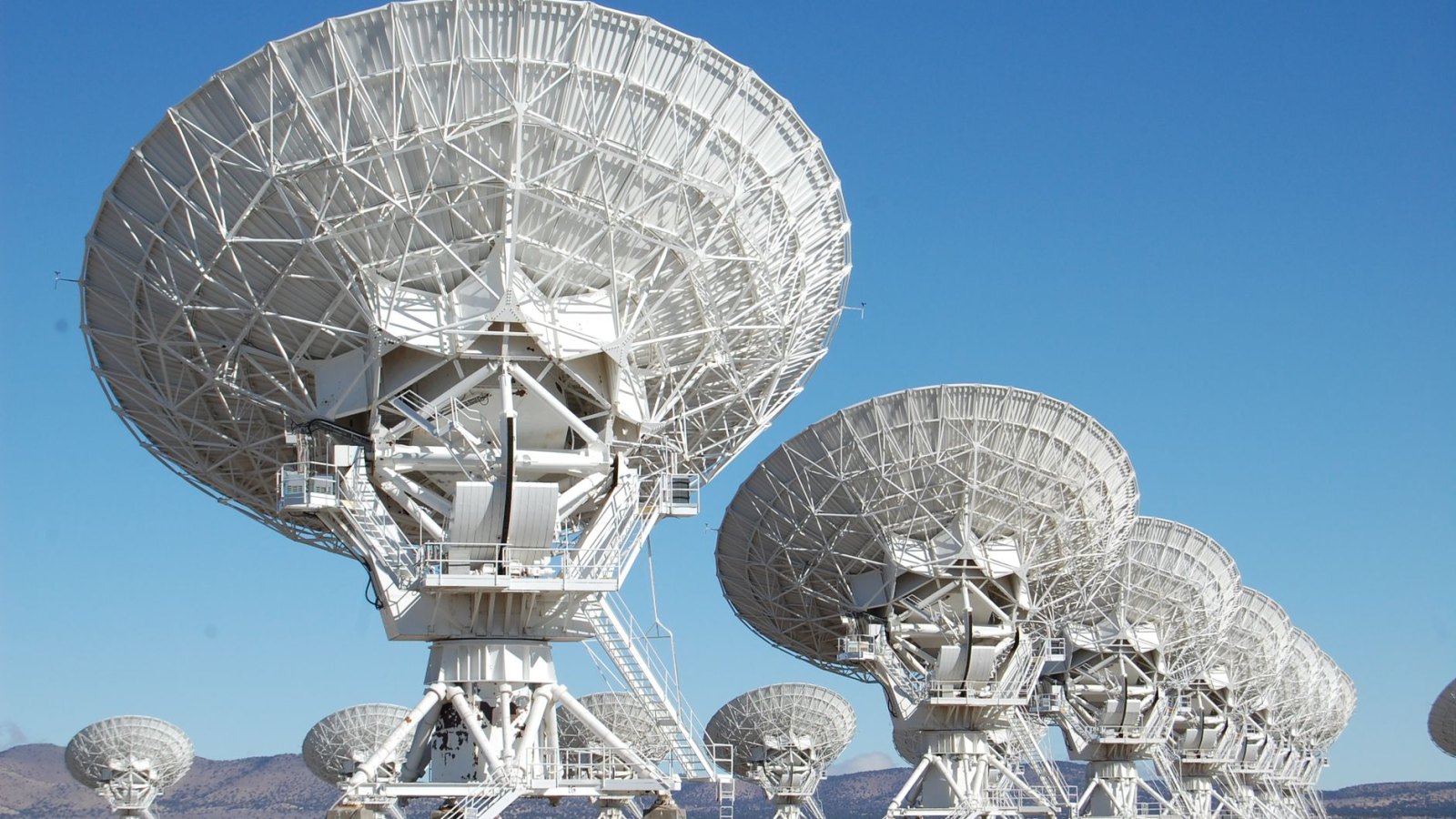
The cosmic microwave background in plain words
The cosmic microwave background is the afterglow of the early universe. A 1965 discovery and today’s sky maps show how it formed and how structure began.
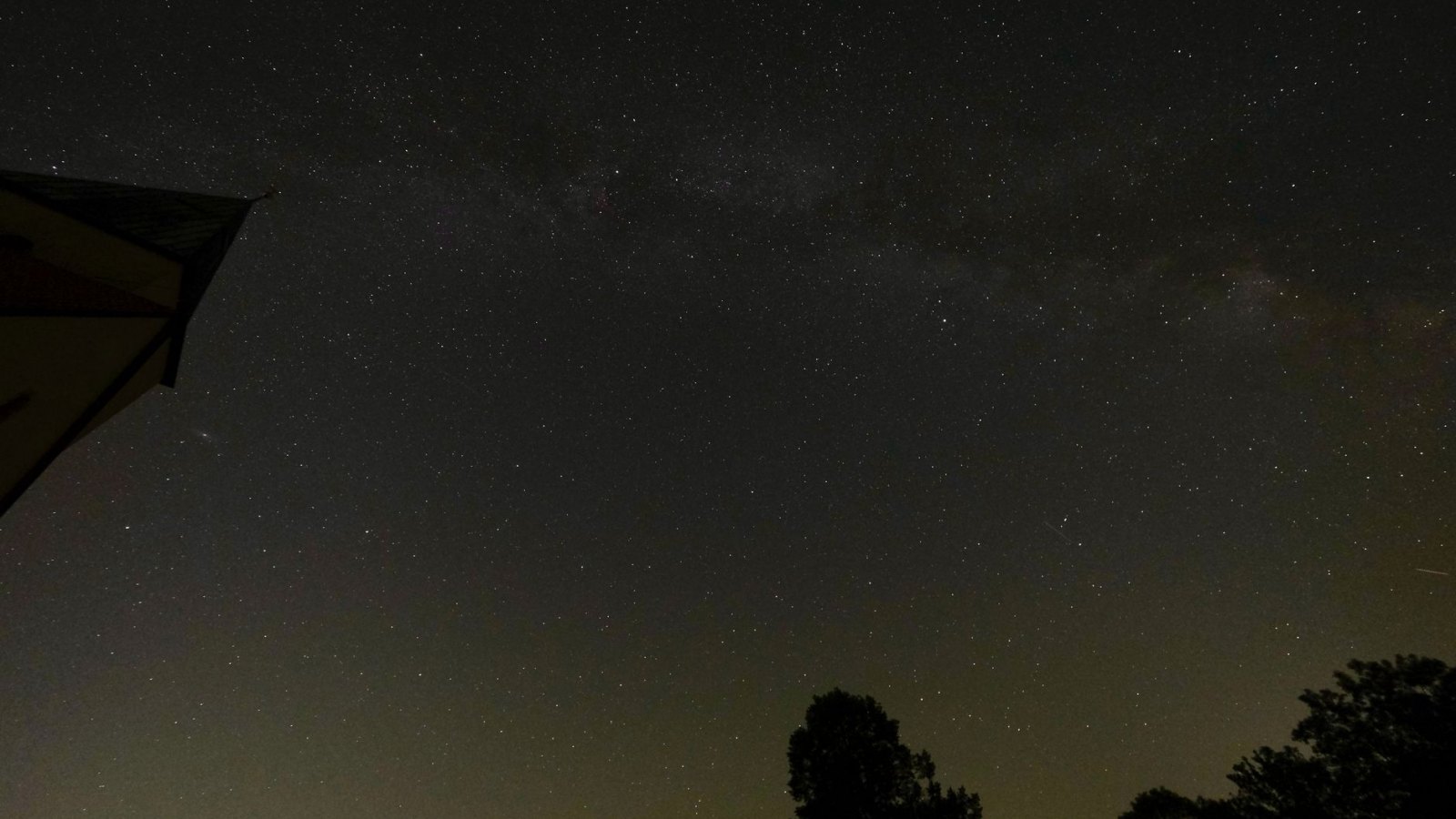
How astronomers find planets around other stars
Two main methods, transits and radial velocity, have found most known exoplanets. New missions will measure smaller planets and their atmospheres.
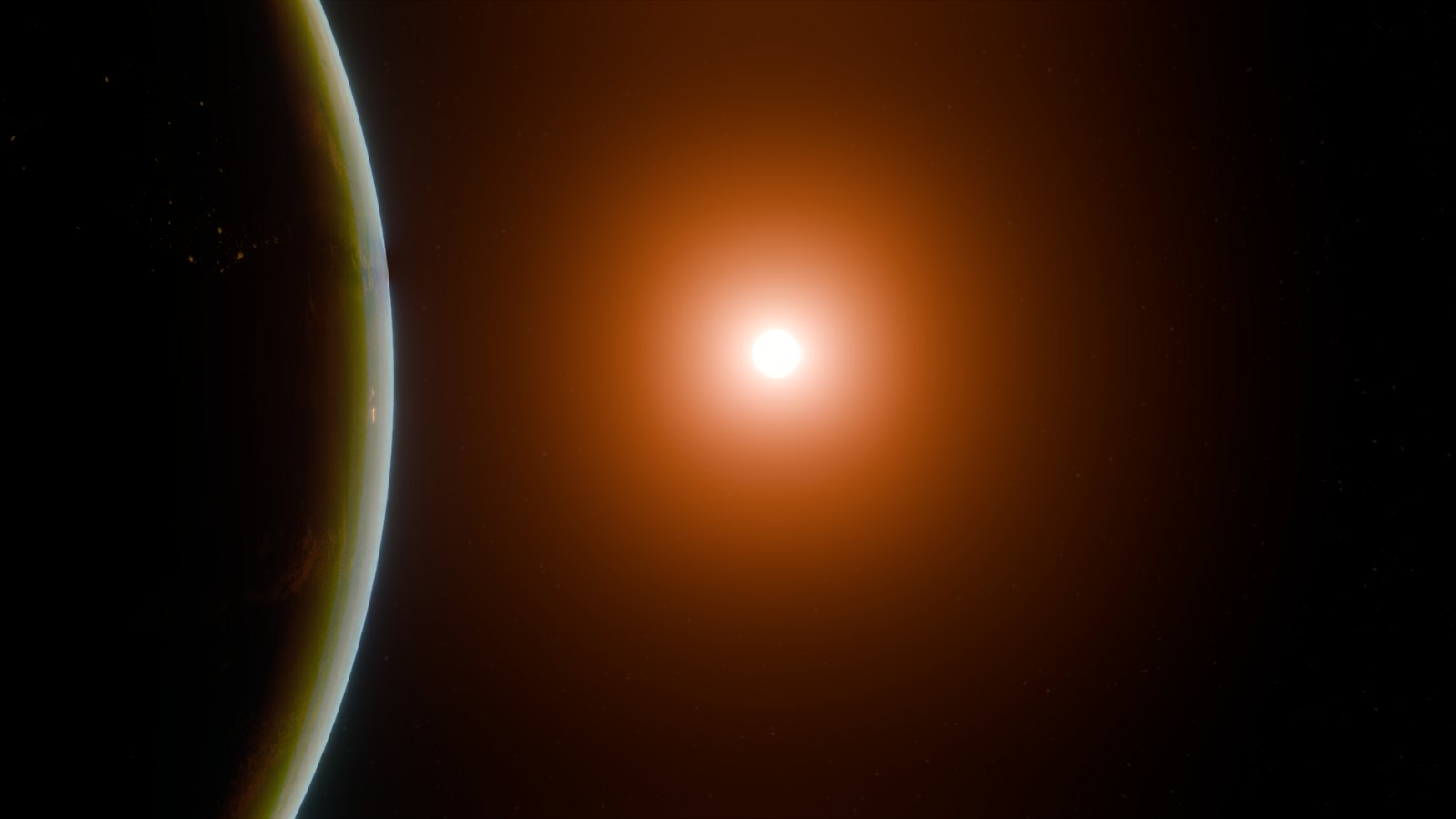
Why Pluto is a dwarf planet
Pluto was reclassified in 2006 after astronomers defined planets by orbit clearing. Eris helped force the question, and New Horizons added new details.
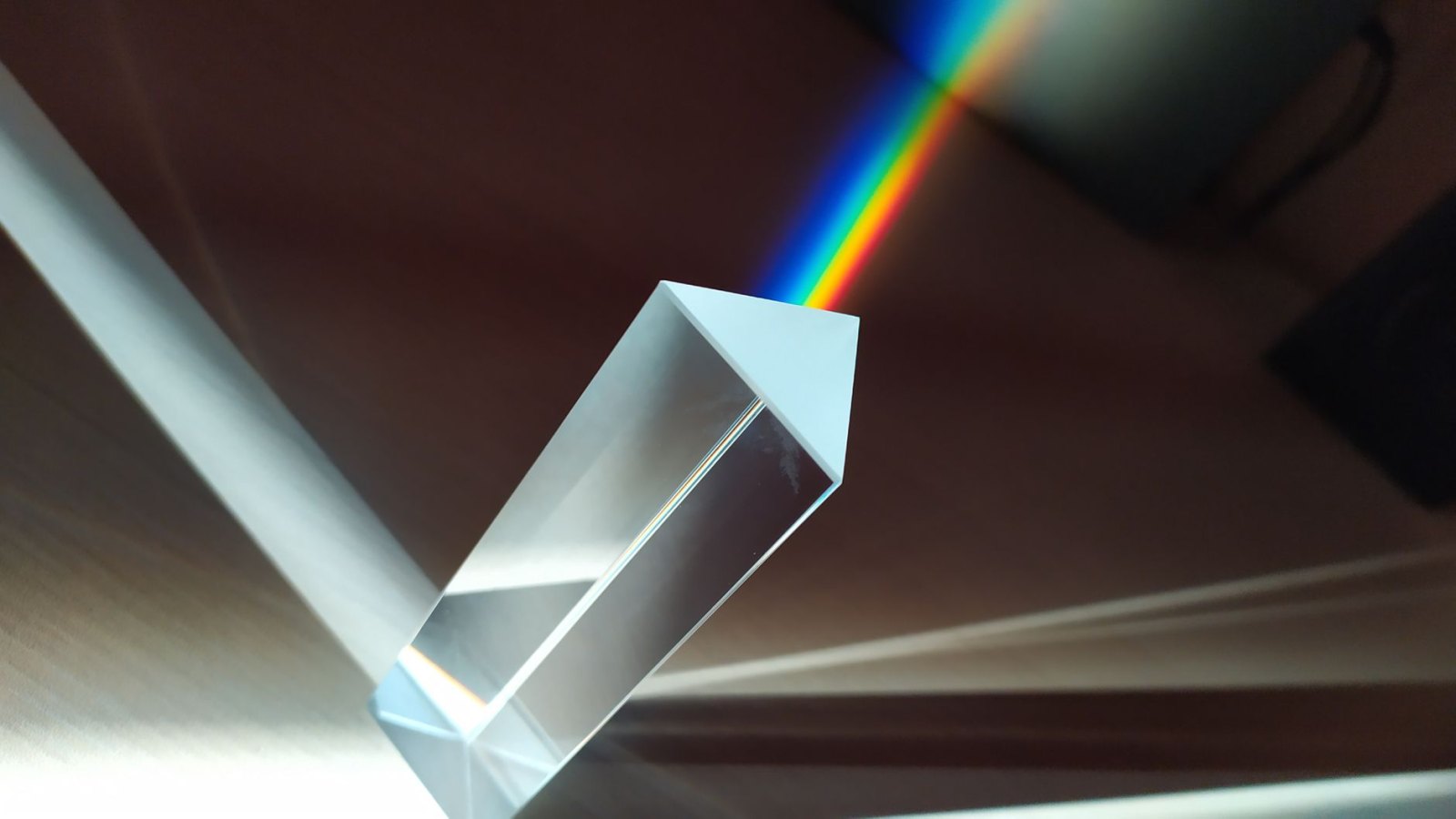
How we know what stars are made of
Starlight carries a chemical fingerprint. Spectra, dark absorption lines, and Cecilia Payne’s work let astronomers read the elements in stars.