 Image: Iceberg San / Pexels
Stellar nucleosynthesis explained and how stars make the elements
Stellar nucleosynthesis explained means tracing how stars turn simple nuclei into the chemical elements we see on Earth and in space. The story begins with hydrogen fusion in ordinary stars and ends with the creation of the heaviest stable nuclei in supernovae and neutron star mergers.
Hydrogen burning in main sequence stars
A star shines because its core is hot and dense enough for nuclear fusion. In Sun-like stars, the main source of energy is the proton-proton chain. Four hydrogen nuclei are ultimately turned into one helium-4 nucleus, with energy released as gamma rays, positrons, neutrinos, and kinetic energy of the fusion products. The energy comes from a small loss of mass, given by \\(E = mc^2\\).
In more massive stars, the core temperature is higher, so the carbon-nitrogen-oxygen, or CNO, cycle can dominate. The CNO cycle still turns hydrogen into helium, but it uses carbon, nitrogen, and oxygen nuclei as catalysts. The catalysts are returned at the end of the cycle, so they are reused again and again.
Hydrogen burning is the first step in stellar nucleosynthesis, but it does not make elements much heavier than helium. For that, the star needs a hotter core and a different reaction path.
The triple alpha process and helium burning
When a star has used much of the hydrogen in its core, the core contracts and heats up. At about 100 million kelvin, helium burning begins. Three helium-4 nuclei, also called alpha particles, can combine to make carbon-12 in the triple alpha process. The first step creates unstable beryllium-8, and if a third alpha particle arrives quickly enough, carbon-12 forms. A key nuclear resonance in carbon-12 helps this reaction proceed at an astrophysically useful rate.
Once carbon exists, helium capture can build oxygen-16. In many evolved stars, further alpha capture reactions make neon, magnesium, and silicon. These stages matter because they set the chemical mix of the star before it reaches its final fate.
For a broader view of stellar evolution, see the life cycle of a star and what it leaves behind, and for the physics of fusion and pressure support, read the masterclass unit on stellar structure and nuclear fusion.
Heavier elements in massive stars
Massive stars, typically born with more than about 8 solar masses, can continue fusing heavier nuclei after helium is exhausted. Each stage needs a higher temperature because heavier nuclei have larger electric charges and repel each other more strongly. The sequence includes carbon burning, neon burning, oxygen burning, and silicon burning.
These burning stages make many elements up to the iron group. The final core often becomes rich in iron-peak nuclei such as iron, nickel, and cobalt. Iron is a special limit because fusion beyond iron does not release energy under normal stellar conditions. Once the core becomes iron-rich, fusion can no longer support the star against gravity.
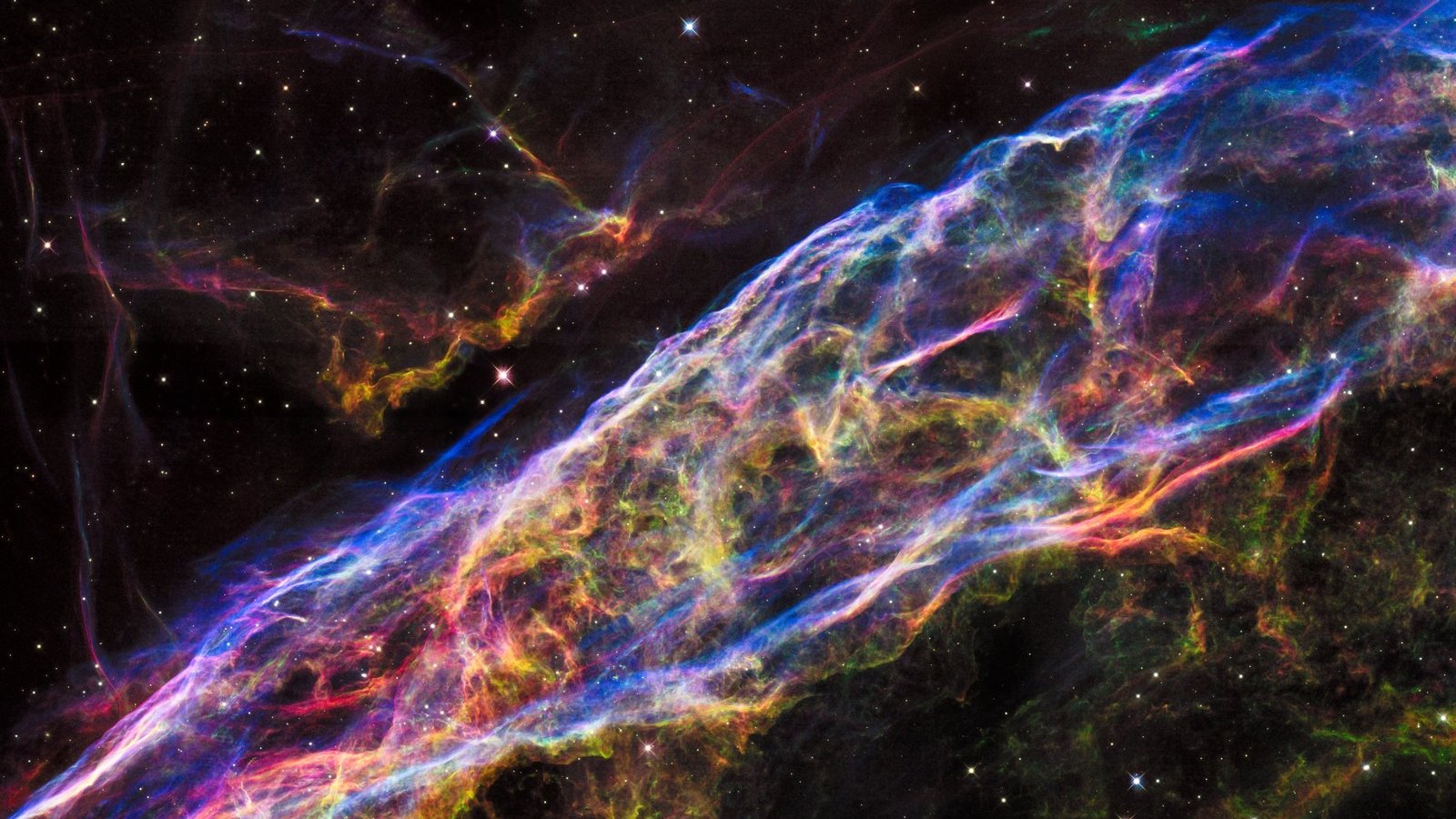
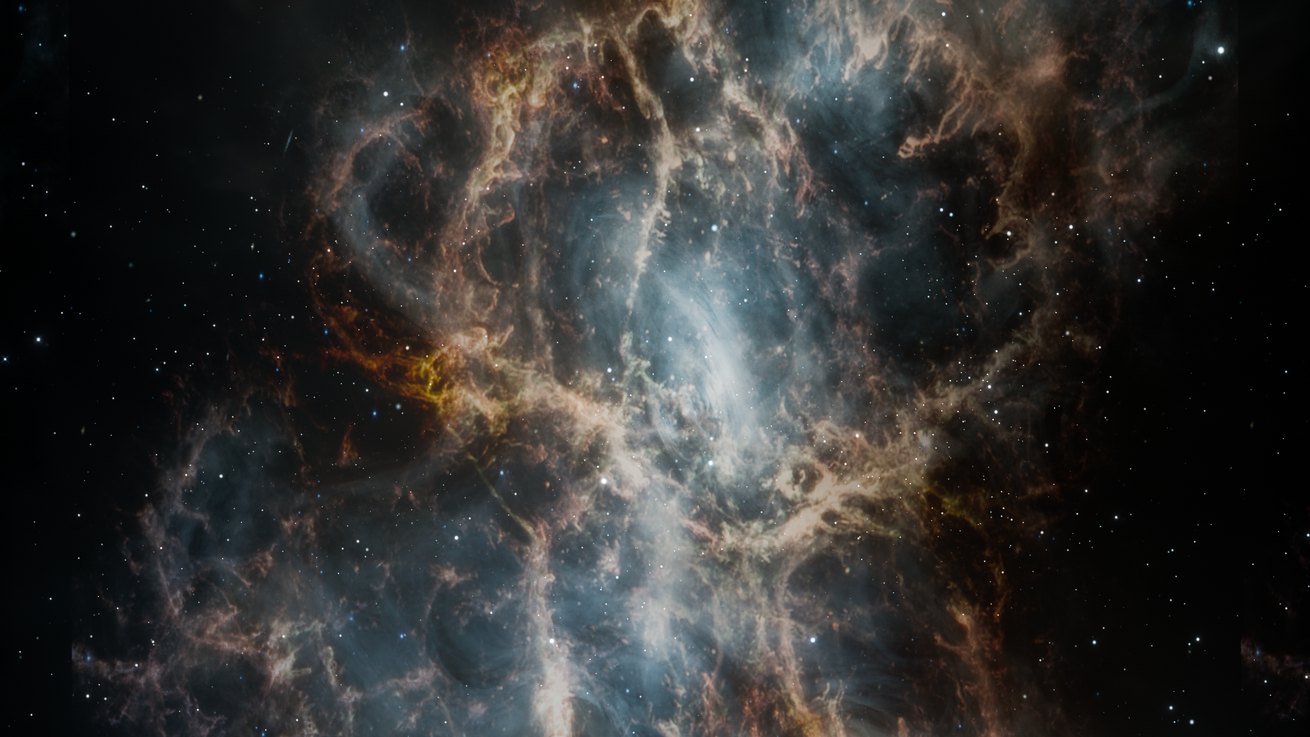
That is why very massive stars end their lives in core-collapse supernovae. The collapse and explosion do more than scatter material into space. They also create conditions for new nuclei to form through rapid neutron capture.
The s process and the r process in element making
Many elements heavier than iron are made by neutron capture, followed by beta decay. There are two main routes. In the s process, the slow neutron-capture process, a nucleus usually has time to beta decay before it captures another neutron. This path occurs in relatively calm stellar environments, especially in asymptotic giant branch stars. It builds many stable nuclei along the valley of beta stability.
In the r process, the rapid neutron-capture process, neutrons arrive so quickly that nuclei capture many of them before they can decay. This produces very neutron-rich nuclei, which then beta decay back toward stability. The r process is responsible for many of the heaviest elements, including gold, platinum, and uranium.
For a clear example of one explosive endpoint, see what happens when two neutron stars collide. Neutron star mergers are now a well established site of r-process nucleosynthesis, confirmed by the kilonova associated with GW170817 in 2017. Core-collapse supernovae are also important astrophysical sites, although the detailed balance between supernovae and mergers is still an active research topic.
Why the elements in your body are older than Earth
Hydrogen and most helium were made in the early universe. Carbon, oxygen, calcium, iron, and many other elements were later forged in stars of different masses over billions of years. Some of the oxygen in a glass of water came from helium burning in an ancient star. Much of the iron in your blood was assembled in the final stages of a massive star and dispersed by an explosion. The gold in a ring may owe its existence to an r-process event far outside the Solar System before the Sun was born.
This is why stellar nucleosynthesis is central to astronomy. It links the physics of atomic nuclei to the chemistry of planets, rocks, oceans, and life.
If you want to practise the ideas behind this topic, the article on how we know what stars are made of is a useful companion, and the equations page has the nuclear and stellar relations that often appear in problem solving.
For a related unit in the masterclass, see The Lives and Deaths of Stars.
Frequently asked questions
Why can stars only fuse elements up to iron in normal operation?
Fusion beyond iron does not release energy in the way lighter fusion does. Once an iron-rich core forms, the star loses a main source of pressure support, and collapse can begin.
Do all stars make the same elements?
No. Low-mass stars mainly make helium, carbon, and some oxygen. Massive stars go through more burning stages and can build elements all the way to the iron group before they explode.
Where are gold and uranium made?
They are made mainly by rapid neutron capture, the r process. Neutron star mergers are a confirmed site, and some supernova environments may also contribute.