 Image: ROMAN ODINTSOV / Pexels
Astronomy summer programs for high school students and how to apply well
Many astronomy summer programs for high school students fall into three broad types: short camps, academic summer schools, and research placements. The best choice depends on your maths level, your comfort with coding, and whether you want to learn, observe, or do a project.
What astronomy summer programs for high school students usually offer
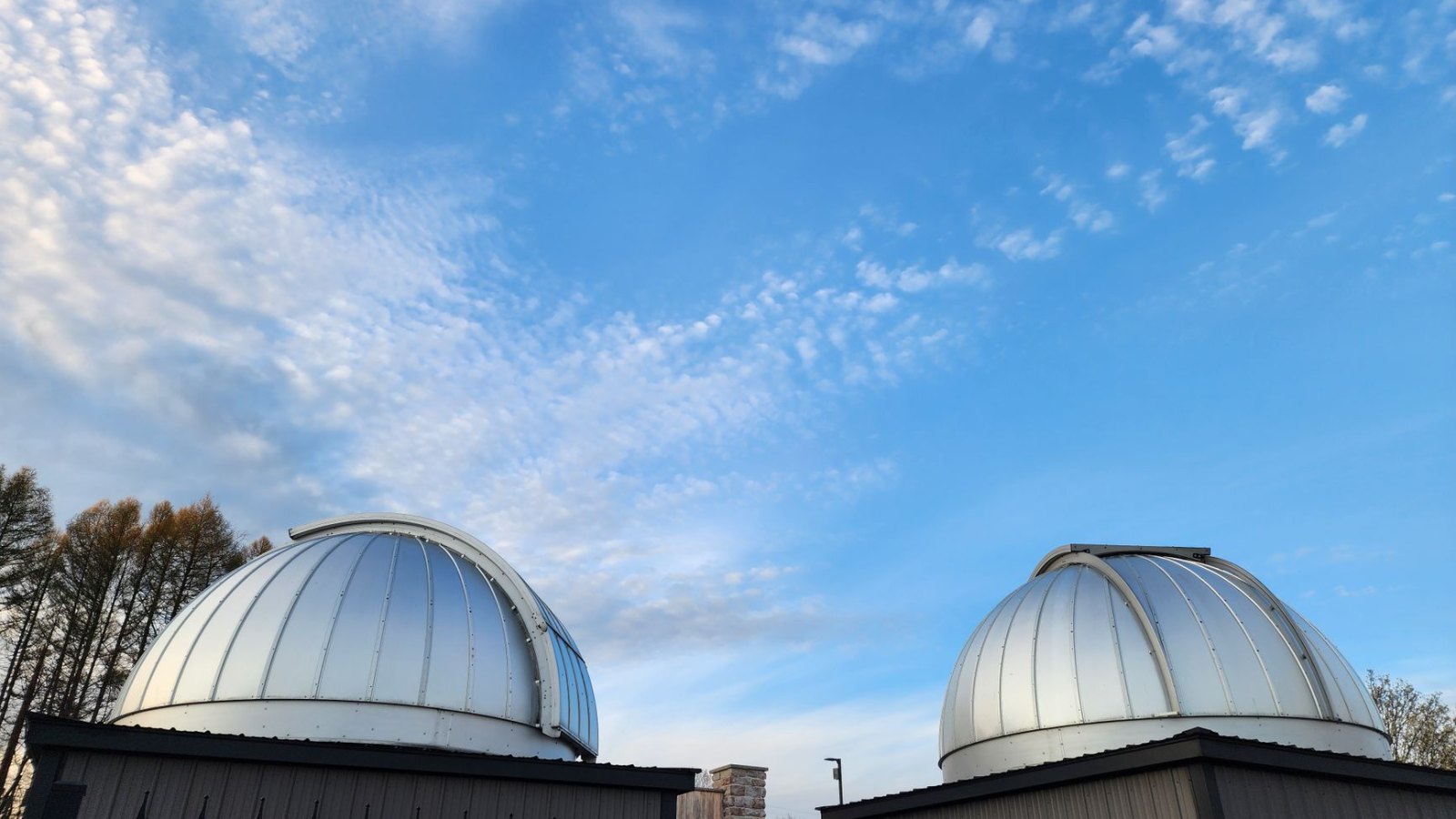
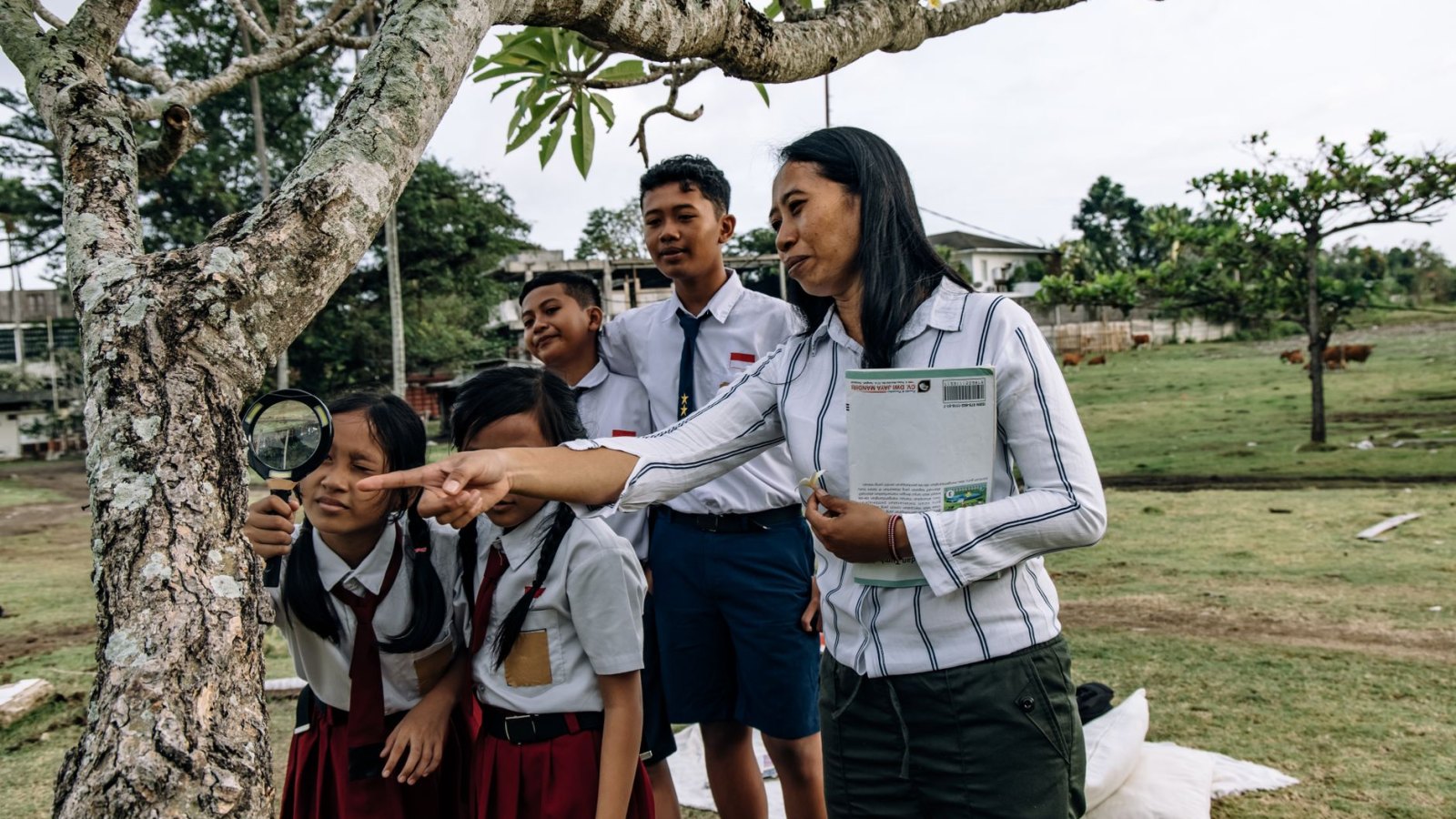
Short camps often run for a few days to two weeks. They focus on observing the sky, using small telescopes, basic image processing, and hands-on activities. These are a good fit if you want a first experience and are still building confidence. Some camps are local, while others are residential.
Summer schools are usually more academic. They may include lectures on stars, galaxies, exoplanets, and cosmology, plus problem sessions and coding exercises. A school of this kind can be a strong bridge between school physics and later study. If you are still deciding between astronomy and broader physics, this guide to astronomy and astrophysics helps with that choice.
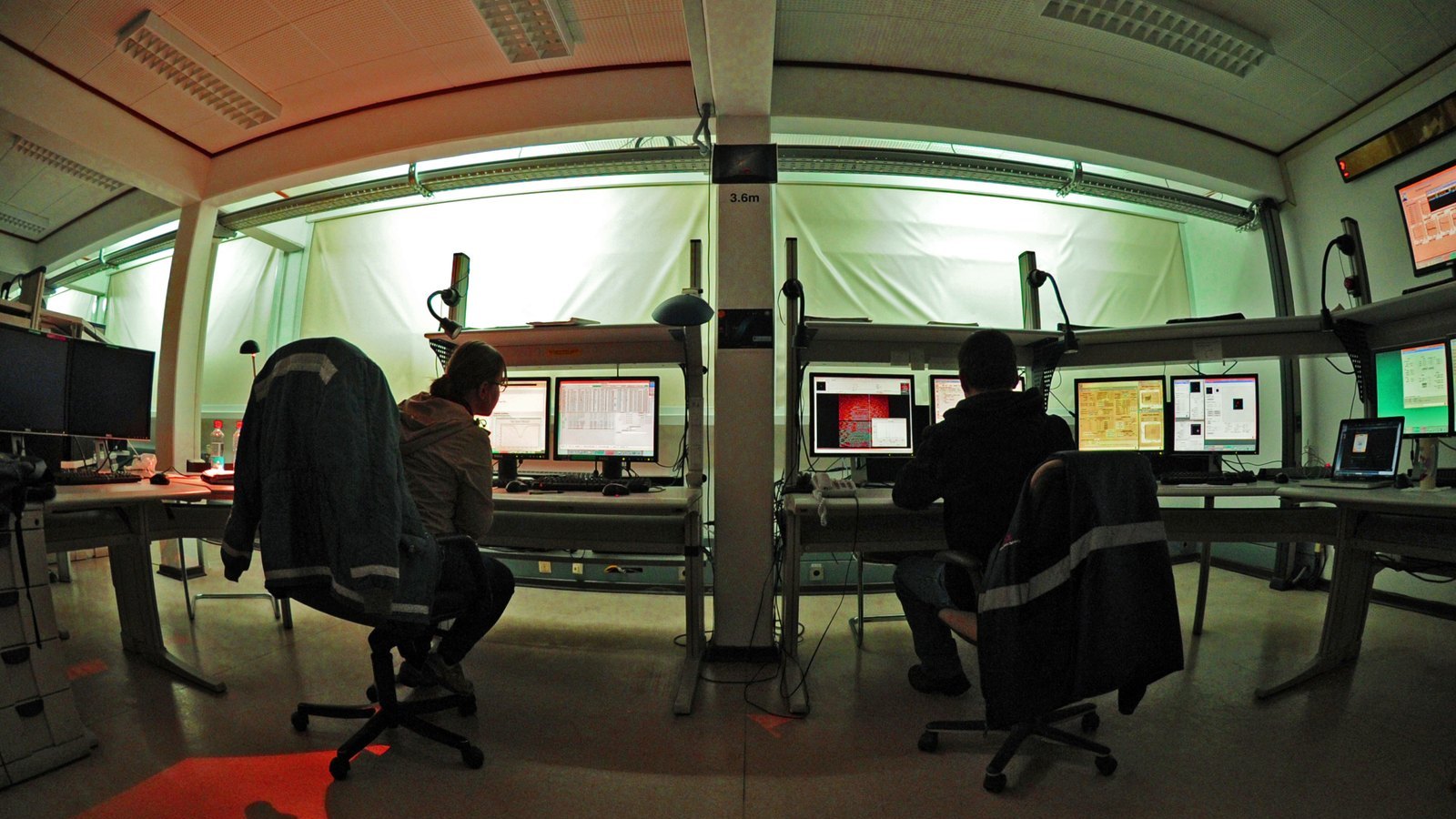
Research programs are different again. In a research placement, you work on a small project with a mentor, often using real data from a telescope archive or a simulation. The project may involve plotting light curves, classifying galaxies, or measuring the brightness of variable stars. If you want a sense of what that path looks like, read from high school to a first research project.
How to choose the right kind of programme
Start with the entry requirements. Some programmes welcome beginners, while others expect algebra, trigonometry, or even some programming. A few ask for a short essay, a teacher reference, or evidence that you have tried independent learning before. If you are aiming at a more selective programme, look at the sort of work expected in how to read an astronomy paper as a beginner and in how to start learning astrophysics in high school.
Think about the format too. Online programmes can be easier to attend if travel is expensive, and they often suit students who want a flexible timetable. In-person programmes can be better for telescope use, lab work, and group projects. Research placements also vary: some are fully supervised, while others expect you to work quite independently after an initial introduction.
There is a useful question to ask before you apply. Do you want exposure to astronomy, or do you want evidence for future applications? A one-week camp can give confidence and contacts. A research placement can give you a project to discuss in university applications or science competitions.
Where to find astronomy summer programs for high school students
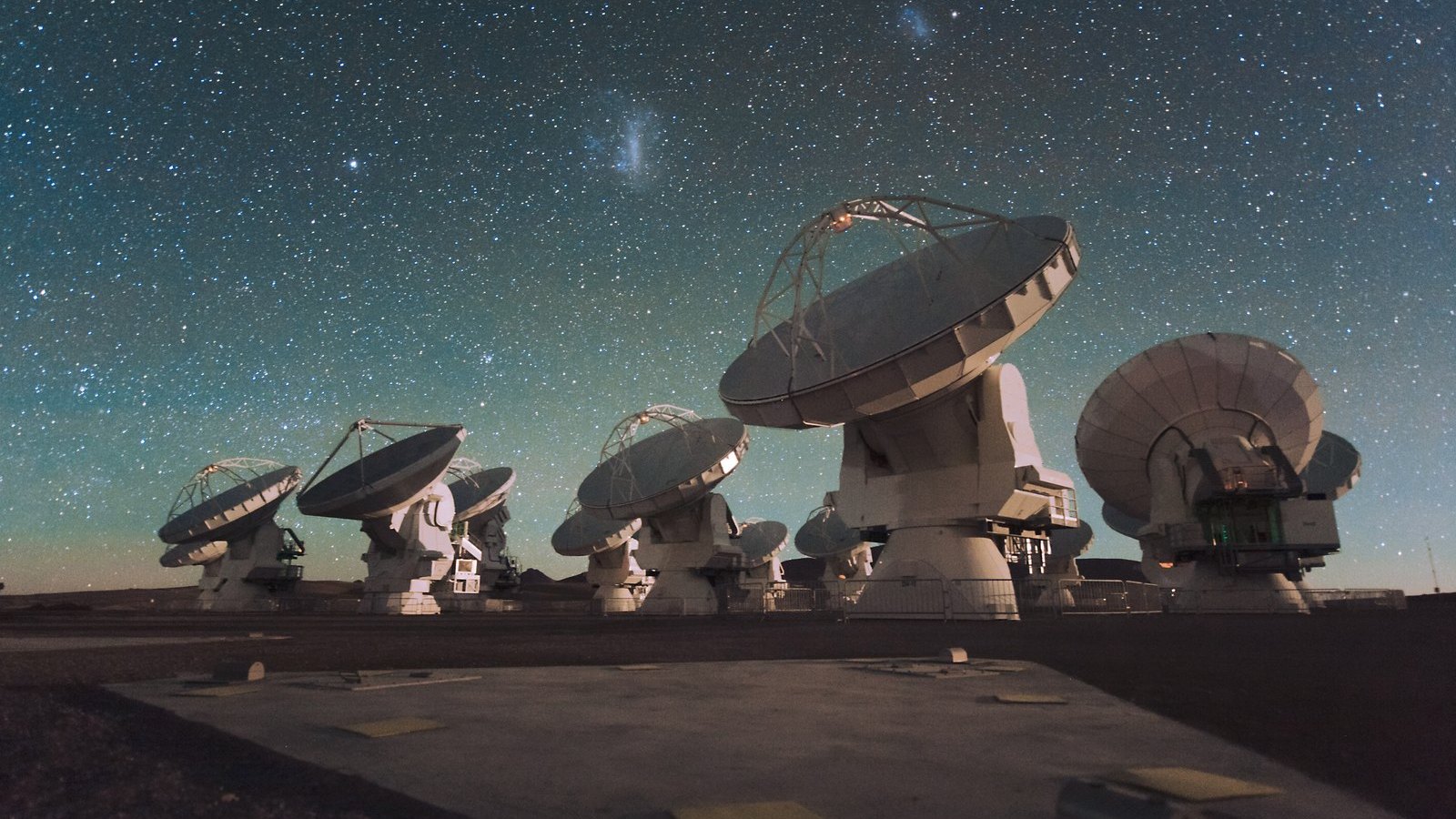
Good places to search include university astronomy departments, observatories, science museums, and space agencies. NASA, ESA, ESO, and similar organisations often list education opportunities or summer activities on their own sites. The NASA High School Aerospace Scholars programme is one example of a space-focused pathway for high school students in the United States.
You can also check astronomy olympiad websites, because some training camps and study schools are run through competition networks. If that route interests you, our astronomy olympiad preparation guide explains what those programmes usually expect.
Search using practical terms such as "astronomy summer school", "high school astronomy research", "astronomy camp", "observatory programme", and "space science programme for students". Add your country or region to narrow the results. Local astronomy societies and regional universities often run smaller programmes that do not appear on global lists.
Before you trust a listing, check three things: who runs it, whether the dates are current, and whether the age range really includes high school students. Some pages remain online after deadlines have passed, so always confirm the latest details on the organiser’s site.
How to write a strong application
A strong application is specific. Do not just say that you like space. Show what you have already done. Mention a school project, a coding exercise, a night-sky observation, a competition, or a book or article that made you want to learn more. If you have started Python, image analysis, or spreadsheet work, say so plainly.
Keep your statement focused on one or two clear goals. For example, you might want to learn how astronomers estimate distances, how telescope images are calibrated, or how a mentor turns data into a research question. If the programme asks for a project idea, keep it small enough for a summer. "Measure the period of a variable star from public data" is better than "study all variable stars".
Referees matter as well. Ask a teacher who knows your work in physics, maths, computing, or chemistry. Give them enough time, and send them the programme description so they can write something specific. This advice is similar to what admissions committees value in what a scholarship committee looks for in a science applicant.
If there is an interview, be ready to explain why this programme suits your current level. It is fine to say that you are still learning. What organisers want is evidence that you will take part seriously, ask good questions, and finish tasks on time.
What skills to build before summer
Basic physics and maths help, but many programmes value persistence and curiosity just as much. If you can interpret a graph, rearrange formulas, and explain a result in clear English, you already have a useful foundation. The main ideas in the Astronomer’s Toolkit unit match this stage well, especially measurement, data, and the language of astronomy.
It also helps to learn one practical skill before you apply. Python is common, but a spreadsheet is enough for some projects. You can also practise reading a public data set from a space mission archive, or make simple notes from a stargazing session. If your programme has a problem-solving test, the equations page and astronomy olympiad practice problems are useful preparation.
Students who want to understand the school-to-university path can also compare summer programmes with the advice in what it takes to study astrophysics at university. That can help you judge whether a camp, a summer school, or a research placement matches your next step.
For a fuller overview of the subject you will be studying, the studying astronomy and astrophysics topic page collects related articles, and the programme links above fit naturally with Unit 1 of the masterclass.
Frequently asked questions
Do I need advanced maths for an astronomy summer programme?
Not always. Many camps are open to beginners, while research placements and summer schools may expect algebra, graph work, or some trigonometry.
Are online astronomy programmes worth doing?
Yes, if they are well organised and include tasks, feedback, or live sessions. They can be especially useful if travel is difficult or expensive.
What should I put in my application if I have no research experience?
Talk about schoolwork, self-study, coding, stargazing, or competitions. A clear record of effort and curiosity can matter more than a long list of achievements.